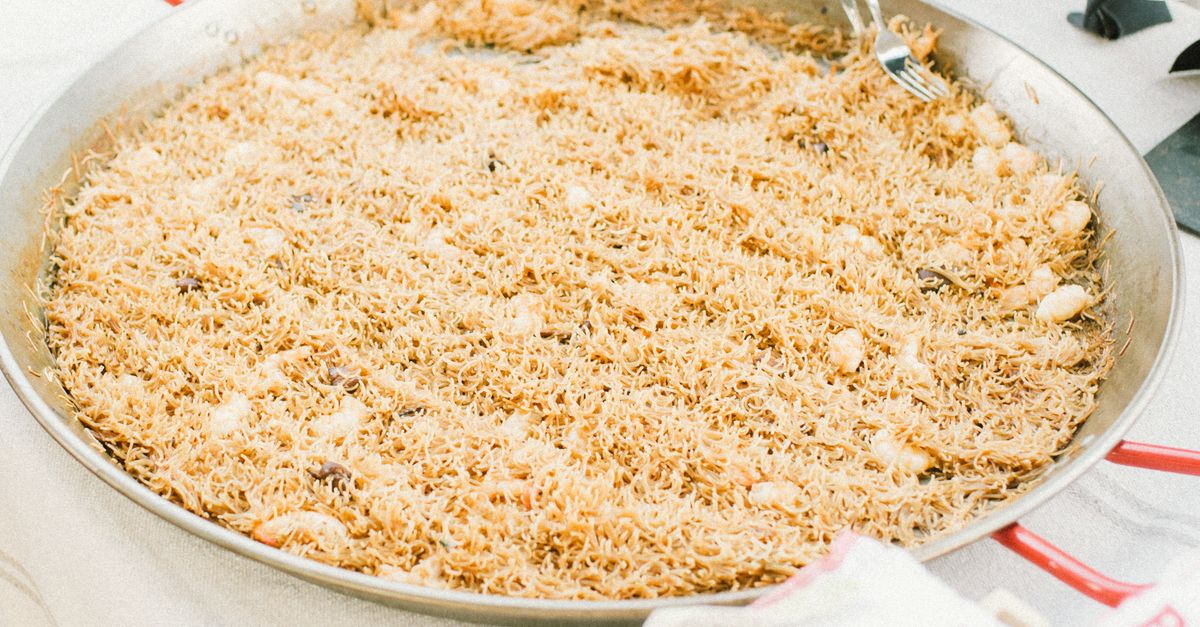
How to Incorporate Paella into Your Outdoor Event’s Culinary Line-Up
Table Of Contents
Cooking Techniques for Flawless Paella
Cooking paella requires attention to detail and a few essential techniques to achieve the perfect texture and flavour. Start by selecting a wide, shallow pan to ensure even cooking. Heat the pan over medium-high heat and add olive oil. Once the oil is hot, incorporate the proteins and vegetables. Allow them to sear for a few minutes, as this step enhances the depth of flavour. Next, introduce your rice and stir it well, letting each grain absorb the essence of the ingredients before adding any liquid.
Using the right type of rice is crucial for a successful paella. Short or medium-grain varieties, such as Bomba or Calasparra, absorb liquid well while maintaining their structure. Pour in the stock after the initial sautéing and bring it to a simmer. Avoid stirring the rice once the liquid is added. Letting it cook undisturbed will help form a delicious socarrat, the prized crispy layer at the bottom. Keep a close watch on the timing and heat control to ensure a perfectly cooked paella with rich flavours.
Mastering the Art of Layering Flavours
Building a rich tapestry of flavours is essential for a memorable paella. Start with high-quality base ingredients such as saffron and smoked paprika. These components infuse the dish with warmth and depth. The choice of broth is equally crucial; using homemade stock enhances the overall taste while adding a luxurious touch. Cooking the rice in this broth allows it to absorb all the intricate flavours, resulting in a deliciously aromatic dish.
Incorporating a variety of proteins adds dynamism to the paella. Consider using a mix of seafood, chicken, and chorizo, ensuring that each ingredient is cooked to its optimal point. Fresh vegetables can also elevate the dish, with seasonal choices providing both colour and texture. By adding these elements in stages, you maintain a balance in flavours, allowing each ingredient to shine while contributing to the overall character of the paella.
Incorporating Paella into Your Menu
Adding paella to your outdoor event menu introduces a vibrant and communal dining experience. This dish offers versatility with its ability to cater to different dietary preferences. Consider meat-based options for carnivores, while vegetarian and seafood varieties appeal to a wider audience. Customising the ingredients to reflect local produce enhances freshness and flavour while embracing the spirit of the event.
Incorporating paella can elevate the overall theme of your event. It lends itself well to casual gatherings or more upscale functions, providing a striking centrepiece that invites guests to engage. Presenting it in a traditional pan adds authenticity. Ensure ample portions to encourage sharing. This communal aspect of paella fosters interaction among guests, making the dining experience more memorable.
Pairing Paella with Complementary Dishes
Choosing the right complementary dishes can elevate the paella experience during your outdoor event. Fresh salads, such as a zesty tomato and cucumber salad drizzled with a light vinaigrette, provide a refreshing contrast to the richness of the paella. Grilled vegetables can also serve as an excellent side, bringing both colour and texture to the spread.
Pairing desserts with your paella can create a well-rounded meal. Light options like panna cotta with citrus zest or a traditional Spanish flan can cleanse the palate while maintaining the culinary theme. A selection of local cheeses accompanied by fresh fruits can offer a delightful grazing option that fits seamlessly within your event's overall menu.
Creating a Paella Station for Guests
Setting up a dedicated paella station offers a dynamic focal point for outdoor events. This setup allows guests to witness the cooking process, adding an element of theatre to your gathering. A large, well-constructed paella pan placed over a flame or burner can accommodate generous servings. Essential ingredients such as saffron-infused rice, fresh seafood, and vibrant vegetables should be showcased nearby to invite curiosity and anticipation. Ensuring a skilful chef is present to manage the cooking creates an opportunity for interactive engagement.
To enhance the experience, consider incorporating various toppings and sides that guests can customise their plates with. Options like lemon wedges, alioli, and fresh herbs provide an extra layer of flavour. Seating arrangements near the paella station will encourage mingling and conversation. Offering smaller, tapas-style portions can allow guests to sample different flavours without feeling overwhelmed. This interactive experience makes paella not just a meal, but a memorable highlight of your outdoor event.
Setting Up an Interactive Culinary Experience
Creating a paella station offers guests a unique opportunity to engage with the cooking process. Set up a large paella pan over an outdoor burner, allowing patrons to watch as the dish comes together. Provide a selection of fresh ingredients, including vibrant vegetables, seafood, and meats, so they can customise their own paella. This interactive element not only entertains but also gives guests a sense of ownership over their meal.
Including a knowledgeable chef or staff member at the station can enhance the experience further. They can guide guests on the best combinations of flavours and share stories about traditional paella recipes. Having the chef interact with the patrons elevates the experience, making it both educational and enjoyable. The aromatic scents and sizzling sounds will create a lively atmosphere, drawing more guests to participate in this culinary adventure.
FAQS
What type of paella is best for outdoor events?
Seafood paella and mixed paella are popular choices for outdoor events, as they offer a variety of flavours that cater to different tastes. Additionally, vegetarian paella can be a great option for guests with dietary restrictions.
How can I ensure my paella is cooked perfectly?
To achieve flawless paella, it's important to use a wide, shallow pan and cook it over an even heat source. Master layering flavours by starting with sofrito, then adding ingredients in stages, allowing each to meld before adding the next.
What are some good dishes to pair with paella?
Complementary dishes include fresh salads, grilled vegetables, and crusty bread. Spanish tapas, such as patatas bravas or chorizo, also make for great accompaniments to enhance the overall dining experience.
How do I set up a paella station at my event?
To create a paella station, set up a large paella pan over a heat source, such as a portable gas burner. Include all necessary ingredients, utensils, and serving options, allowing guests to watch the cooking process and even participate if desired.
Can paella be prepared in advance for an outdoor event?
While paella is best enjoyed freshly cooked, you can prepare certain components, like the sofrito and proteins, in advance. However, it’s recommended to cook the rice and finish the dish on-site to ensure optimal texture and flavour.
Related Links
The Advantages of Paella Catering for Large Outdoor GatheringsChoosing the Perfect Location for Your Paella Catering at Festivals
Ensuring Food Safety for Paella Catering at Outdoor Festivals
Managing Logistics for Paella Catering at Outdoor Events
Customising Your Paella Menu for Festival Themes and Vibes