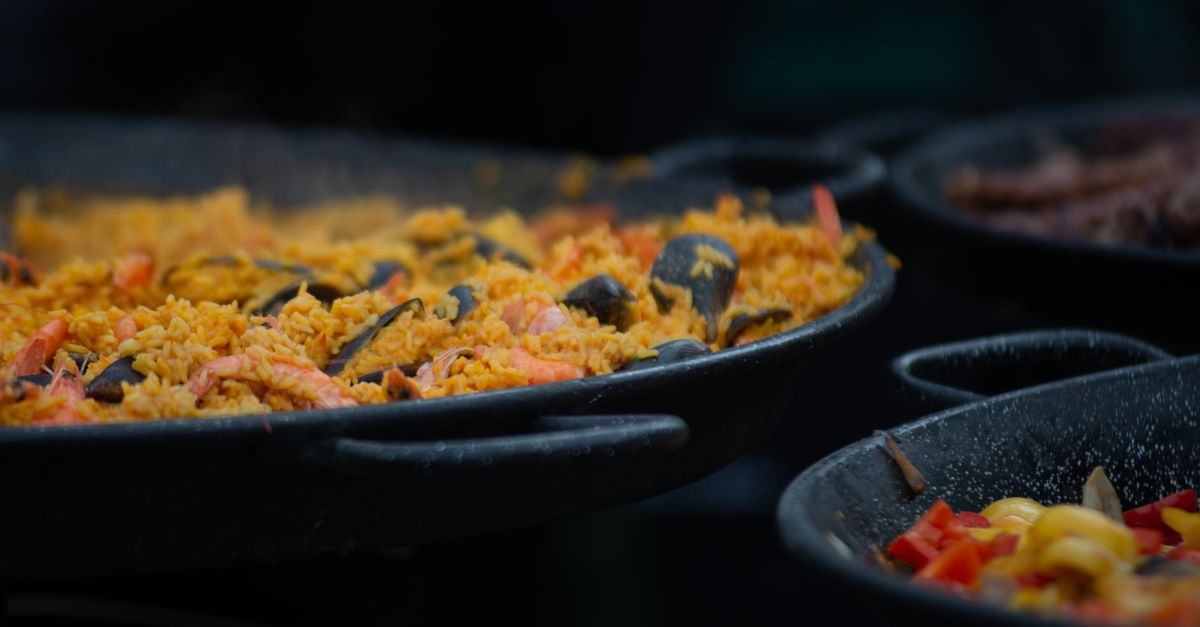
Pairing Wines with Your Vegetarian Paella Selection
Table Of Contents
Regional Wine Pairings from Spain
Spain’s diverse landscape produces a variety of wines that complement vegetarian paella beautifully. Each region boasts its unique flavours, which can enhance different ingredients found in the dish. For instance, Valencia, known for its saffron-infused creations, offers a delightful pairing with fresh white wines from local varietals like Merseguera or Malvasía. The zesty and aromatic profiles of these wines harmonise well with the dish's vibrant vegetables, allowing the spices to shine through without overpowering them.
Moving to Catalonia, the fruity and refreshing characteristics of Cava provide a delightful contrast to the earthiness of a vegetable paella. The natural acidity balances the richness of ingredients like artichokes and bell peppers, creating a pleasing palate experience. Furthermore, wines from the Rías Baixas region, particularly those made from Albariño, are excellent companions due to their minerality and crispness, which works wonderfully with dishes featuring seasonal greens. Each choice reflects a connection to the region's culinary traditions, enhancing the overall enjoyment of the meal.
Highlighting Local Varietals
Spain boasts a wealth of indigenous grape varieties that offer a unique complement to vegetarian paella. Albarino, hailing from the coastal region of Rías Baixas, presents a crisp and refreshing profile, its citrus and stone fruit notes enhancing the dish's delicate flavours. Meanwhile, the earthy nuances of Graciano, often found in Rioja blends, can elevate a paella infused with seasonal vegetables, lending complexity and depth without overpowering the meal.
Exploring further, Garnacha offers a fruit-forward option, its vibrant berry characteristics bringing a touch of sweetness that balances the saffron and spices typically found in paella. Another noteworthy varietal is Verdejo, appreciated for its aromatic qualities and bright acidity, making it an excellent choice for lighter, vegetable-focused versions of the dish. Leveraging these local wines allows for a more authentic dining experience while showcasing the rich tapestry of Spain's winemaking heritage.
The Influence of Cooking Techniques on Wine Choice
Cooking techniques play a significant role in the overall flavour profile of vegetarian paella. Techniques such as sautéing or roasting can intensify the natural sweetness of vegetables, while methods like steaming may preserve their bright, fresh characteristics. The depth of flavour created through caramelisation or the smokiness imparted by grilling can greatly influence how well different wines complement the dish. Understanding these nuances helps in selecting a wine that will enhance the meal rather than overpower its delicate components.
Additionally, the use of spices and herbs in the cooking process can set the stage for pairing. A paella rich with saffron and smoky paprika will demand a wine that can stand up to these bold flavours. Conversely, a simpler vegetable paella may pair better with a crisp, lighter wine that allows the fresh taste of the ingredients to shine through. The choice of wine should align with both the cooking method and the seasonings to create a harmonious dining experience.
How Preparation Affects Flavour
The preparation of vegetarian paella significantly influences the overall flavour profile of the dish. Techniques such as sautéing or roasting vegetables can enhance their natural sweetness and depth. For instance, using smoked paprika may introduce a subtle smokiness, while saffron brings a luxurious aroma. These cooking methods create a complex layering of textures and flavours, which can impact the wine selection.
Choosing a wine that complements the cooking techniques can elevate the dining experience. A lighter white wine may work well if the produce is simply sautéed. Conversely, a fuller-bodied red might be more suitable for a paella that incorporates richer, roasted elements. Understanding the preparation methods allows for better pairing, marrying the wine's characteristics with the dish's unique nuances.
Alternative Pairing Strategies for Unique Flavours
When venturing beyond traditional pairings, consider the diverse range of global wines that can complement the intricate flavours of vegetarian paella. For example, a crisp Riesling or a zesty Sauvignon Blanc can enhance the dish’s complex spices and fresh vegetables. Additionally, a light, fruit-forward Pinot Noir may surprise you with its compatibility, especially when earthy ingredients like mushrooms are involved. Exploring wines from outside Spain can introduce new dimensions of taste that elevate your meal.
Experimenting with unconventional wine choices can lead to delightful discoveries. A sparkling wine, such as a dry Prosecco or a biodynamic Cava, can bring a refreshing contrast to the dish's robust flavours while also cleansing the palate. Alternatively, try a light-bodied Grenache or a herbaceous Verdejo to add an unexpected twist that harmonises beautifully with the medley of vegetables. Each unique pairing allows for a fresh experience, transforming your dining occasion into a culinary adventure.
Exploring Unconventional Wine Matches
Venturing beyond traditional pairings can reveal delightful surprises. Consider a crisp Sauvignon Blanc with a paella packed with seasonal vegetables and herbs. The zesty acidity balances well with the freshness of the dish, creating a harmonious experience that enhances both elements. Alternatively, try a light-bodied Gamay from the Beaujolais region. Its fruity notes can complement the earthy flavours of mushrooms or artichokes, resulting in an unexpected yet appealing combination.
Another unconventional choice could be a dry rosé, particularly those from Provence. The refreshing nature of the wine allows it to match beautifully with a variety of spices, making it a versatile companion for different paella preparations. Additionally, an aromatic orange wine, with its slightly tannic structure, can bring out the umami characteristics of roasted vegetables. These innovative pairings challenge traditional norms while showcasing the wonderful diversity in wine selection.
FAQS
What type of wine is best for pairing with vegetarian paella?
Generally, white wines such as Albarino or Verdejo work well with vegetarian paella, as they complement the fresh vegetables and spices. However, light red wines like Pinot Noir can also be a delightful choice.
Are there specific regional wines from Spain that pair well with vegetarian paella?
Yes, regional wines such as those from the Rías Baixas or Rueda regions are excellent options. These wines often feature local varietals that enhance the flavours found in traditional vegetarian paella.
How do cooking techniques influence the wine choice for paella?
Cooking techniques like roasting or grilling can intensify certain flavours in the dish. For instance, a smoky flavour may lead you to select a wine with more body, such as a fuller-bodied white or a light red, to match the dish's intensity.
Can I explore unconventional wine matches with vegetarian paella?
Absolutely! Unconventional pairings such as sparkling wines or even rosé can provide a refreshing contrast to the earthy flavours in vegetarian paella. It’s all about experimenting and finding what suits your palate.
What should I consider when choosing a wine for my vegetarian paella?
Consider the ingredients and spices in your paella, the cooking method, and your own taste preferences. A balanced wine that complements the dish’s flavours without overpowering them is ideal for a harmonious pairing.
Related Links
How to Cook the Perfect Vegetarian Paella at HomeCreative Variations of Vegetarian Paella You Must Try
Vegetarian Paella: A Sustainable Choice for Catering
The Rise of Vegetarian Paella in Sydney's Food Scene
Hosting a Vegetarian Paella Party: Tips and Tricks