Personalising Serving Styles for a Memorable Paella Experience
Table Of Contents
Personalising the Recipe to Suit Your Guests
Crafting a paella that resonates with the tastes and preferences of your guests is a delightful part of the culinary experience. Consider offering a range of protein options, from succulent chicken and prawns to plant-based alternatives like chickpeas or tofu. Tailoring the dish by incorporating fresh, seasonal vegetables can enhance its appeal, ensuring that vegetarians and meat-lovers alike find something to savour.
Understanding your guests' dietary needs is also vital in creating a memorable paella. Some may be gluten-intolerant or have shellfish allergies, so it’s essential to accommodate these requirements while still maintaining the dish's authentic essence. By openly communicating with your guests beforehand, you can make informed choices that not only respect their preferences but also introduce them to the wonderful flavours of a traditional paella.
Dietary Considerations and Preferences
Understanding your guests' dietary restrictions is crucial when planning a paella. Many people follow specific diets, whether due to allergies, intolerances, or personal beliefs. For example, those with shellfish allergies will need a seafood-free version. Similarly, catering to vegan or vegetarian guests may require the omission of meat products, allowing for a creative blend of seasonal vegetables and plant-based proteins that don't compromise on the authentic taste.
Accommodating various preferences can encourage everyone to enjoy the dish together. Offering a customisable paella station allows guests to select their desired ingredients, ensuring everyone can tailor their meal. Providing clear labels for allergens and dietary options will help guests feel included and informed. This attention to detail enhances the overall experience while honouring diverse dietary needs.
Serving Styles That Impress
Presenting paella in an eye-catching manner sets the tone for the entire dining experience. Consider using a traditional paellera, the wide, shallow pan used for cooking, as your serving dish. Not only does it capture the essence of Spanish culture, but it also invites guests to gather around and admire the vibrant colours and textures of the dish. For an extra touch, you can create a rustic setting with wooden boards and fresh herbs for garnish, enhancing the overall presentation.
Another impressive serving technique involves individual portions. Using small cast iron skillets or individual ramekins allows each guest to have their own serving while maintaining that communal feel typical of traditional paella dining. This approach not only adds a personal touch but also makes it easier for guests to manage their meals. A touch of fresh lemon or a sprinkle of fresh parsley on top just before serving can elevate the appearance further, ensuring the dish not only tastes exquisite but looks stunning as well.
Creative Ways to Present Your Paella
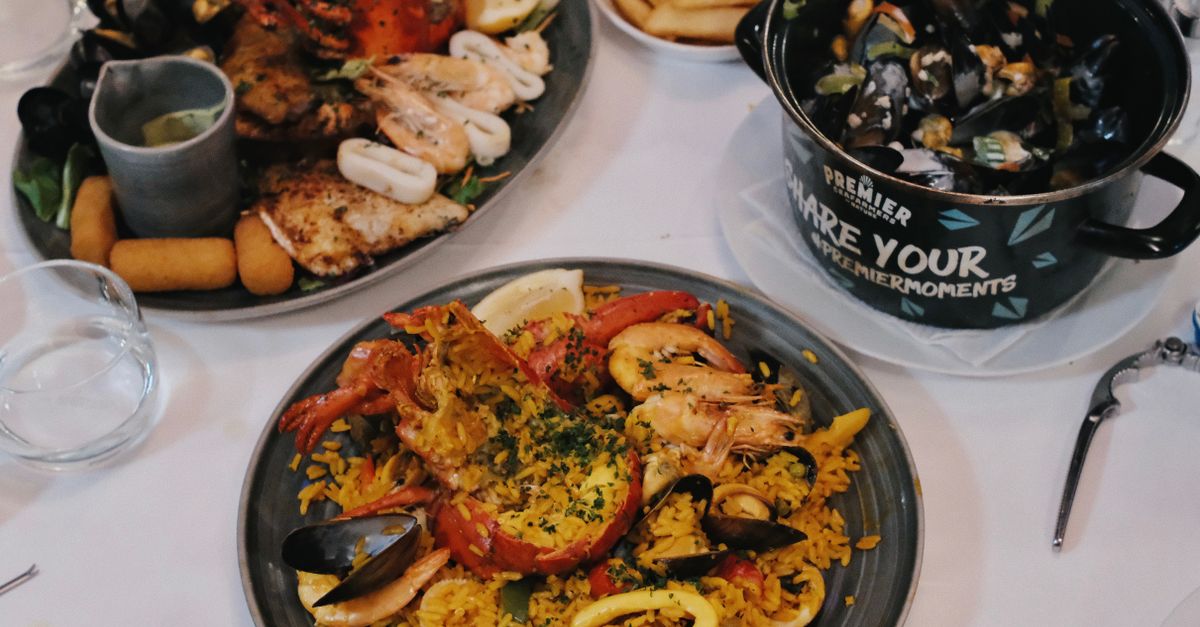
A paella looks stunning when presented on a large, rustic table. Consider using a traditional paella pan as the focal point of your serving style. The metallic sheen combined with vibrant saffron-yellow rice and fresh seafood creates an eye-catching display. Garnish with lemon wedges and fresh herbs like parsley for added colour. Serving directly from the pan not only retains the authentic feel but also encourages a communal dining experience. Guests can dig in and serve themselves, enhancing the overall enjoyment of the dish.
Another engaging presentation idea involves individual servings. Use small, cast-iron skillets or ceramic dishes to give each guest their personal portion of paella. This method not only elevates the dining experience but also allows everyone to appreciate the ingredients and textures in a more intimate way. Accompany the individual servings with a side of aioli or a fresh, zesty salad. Incorporating small tables or wooden boards on which to serve these dishes encourages an informal yet stylish atmosphere for the meal.
Enhancing the Experience with Authentic Accompaniments
Serving a delicious paella is only part of the culinary experience. To elevate the meal, consider traditional accompaniments that enhance the overall enjoyment of the dish. A fresh salad made with ripe tomatoes, crisp lettuce, and olives brings a refreshing contrast to the rich, savoury flavours of the paella. Additionally, a squeeze of lemon or a dash of fresh herbs can brighten the presentation and add a burst of zesty flavour that complements the dish beautifully.
Beverages play a crucial role in rounding off the experience. A well-chosen wine can harmonise with the diverse flavours of the paella. Consider serving a crisp white wine, such as Albariño, known for its fruity notes and refreshing acidity, which pairs well with seafood versions. Alternatively, a fruity sangria can provide a festive touch, especially during warm gatherings. Crafting a thoughtful menu that aligns with the paella will create an inviting atmosphere and leave a lasting impression on your guests.
Side Dishes and Beverages That Pair Well
Paella is a hearty dish that can be beautifully complemented by a variety of side dishes. A fresh green salad featuring mixed leaves, cherry tomatoes, and a light vinaigrette enhances the overall dining experience by adding a crisp contrast. Another great option is crusty bread served with a garlic or aioli dip; it not only helps to soak up the delicious sauce but also adds a rustic touch to the table. For a more traditional approach, consider serving olives or a selection of Spanish cheeses, which can serve as a delightful prelude to the main dish.
When it comes to beverages, the right choices can elevate the meal. A chilled, fruity sangria pairs wonderfully, offering a refreshing balance to the rich and savoury flavours of the paella. Alternatively, a crisp Spanish white wine, such as Albariño, brings out the dish's fresh ingredients beautifully. For non-alcoholic options, consider sparkling water with lemon or a fruity mocktail, as they can refresh the palate and enhance the overall dining experience. Each of these accompaniments can make the meal not only satisfying but also memorable for all your guests.
FAQS
What are some dietary considerations to keep in mind when personalising a paella recipe?
It's important to consider any allergies, dietary restrictions, or preferences of your guests. For instance, you can offer vegetarian or vegan options by using plant-based proteins and a variety of vegetables, or you can opt for gluten-free rice to accommodate those with gluten sensitivities.
How can I present paella in a way that impresses my guests?
Creative presentation can enhance the dining experience. Consider serving paella in a traditional paellera (the wide, shallow pan) for authenticity, or use individual servings in small skillets. Garnishing with fresh herbs or lemon wedges can also add a vibrant touch.
What are some authentic accompaniments to serve with paella?
To enhance the paella experience, consider serving traditional Spanish side dishes like pan con tomate (tomato bread), a fresh salad, or olives. For beverages, a good Spanish wine, such as a crisp Albariño or a fruity Tempranillo, pairs beautifully with paella.
Can I personalise the serving style based on the occasion?
Absolutely! For casual gatherings, buffet-style service works well, allowing guests to serve themselves. For more formal events, plated service can add a touch of elegance. Tailoring the serving style to the occasion can make the experience more memorable.
What creative ways can I present paella to make it visually appealing?
Consider layering the ingredients in a clear dish to showcase the vibrant colours or using edible flowers for garnish. You could also serve paella in individual portions on a wooden board for a rustic feel, or use colourful tableware to create a festive atmosphere.
Related Links
Selecting the Perfect Paella Pairings for Your Event MenuEnhancing Your Event with Custom Paella Cooking Stations
Collaborating with Chefs for a Bespoke Paella Menu
Incorporating Local Produce into Your Custom Paella Dishes
Exploring Regional Variations in Your Paella Menu Customisation
Designing a Themed Paella Menu for Special Occasions
Tailoring Paella Choices to Suit Dietary Needs and Preferences
Integrating Seasonal Ingredients into Your Paella Offerings
Crafting Unique Flavours for Your Paella Catering Menu