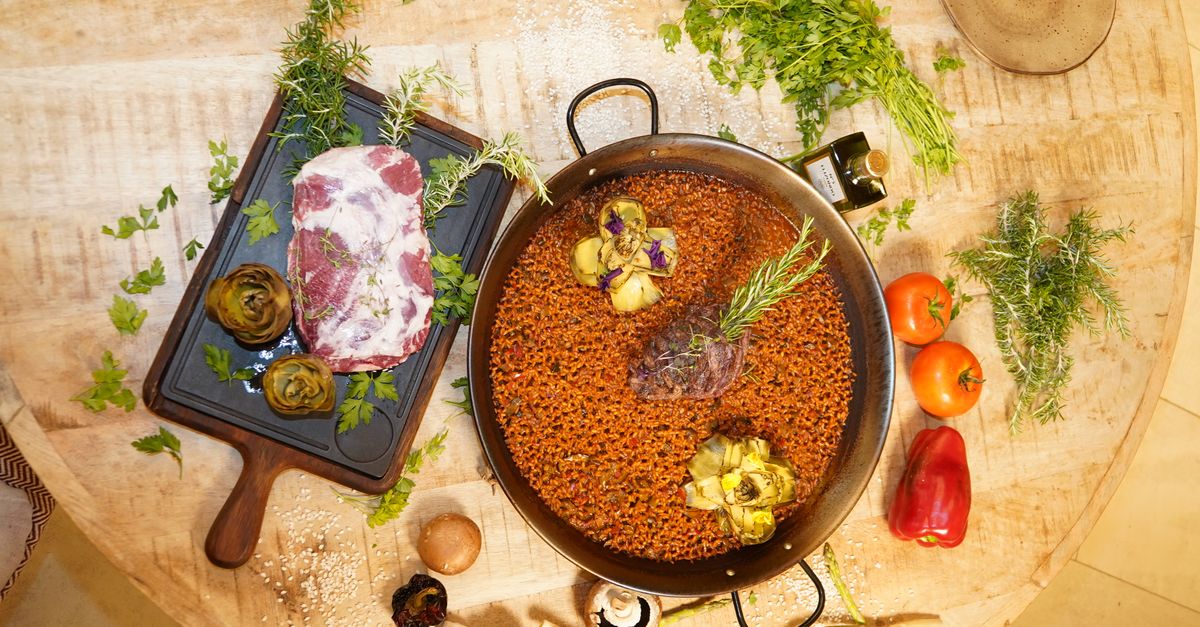
Sustainable Seafood Choices for Paella Catering
Table Of Contents
Local vs. Imported Seafood
Choosing local seafood can significantly impact the sustainability of your paella catering business. Fresh, locally sourced seafood often has a smaller carbon footprint due to reduced transportation distances. This not only supports local fishermen but also promotes the protection of local marine ecosystems, which can be at risk from overfishing practices associated with imported products. Additionally, buying local means fresher seafood, which directly translates to better flavours and textures in your dishes.
Imported seafood, while sometimes offering a wider variety, often comes with hidden environmental costs. Many imported fish are harvested in ways that deplete stocks and harm marine habitats. Regulatory practices can differ significantly between countries, leading to potential issues with sustainability certifications. Patrons increasingly seek transparency in sourcing, which makes locally sourced seafood a more appealing option for caterers aiming to meet the growing demand for ethical dining choices.
Benefits of Choosing Locally Sourced Products
Choosing locally sourced seafood supports regional economies and reduces the carbon footprint associated with transportation. When seafood is sourced nearby, it often means fresher produce that retains its nutritional value and flavour better than imported options. Local suppliers can also provide transparency in fishing practices, ensuring that the seafood is harvested sustainably and ethically.
Additionally, purchasing from local fisheries strengthens community ties and fosters a sense of responsibility towards the environment. Consumers have the opportunity to engage directly with producers, gaining insight into their practices and learning more about sustainable fishing methods. This connection enhances awareness and encourages more informed choices regarding seafood consumption.
Seasonal Seafood Choices
Australia's diverse coastline offers a range of seafood options that are at their peak during specific seasons. Understanding which varieties are in season plays a crucial role in making sustainable choices. For instance, species like flathead and whiting are more abundant in warmer months, while winter welcomes options such as blue swimmer crabs and King George whiting. By choosing seafood that aligns with their natural spawning cycles, consumers can support local fisheries and avoid overfishing practices associated with out-of-season harvesting.
Incorporating seasonal seafood into paella not only enhances flavour but also fosters a connection to local ecosystems. When chefs use ingredients that are locally and sustainably sourced, they contribute to the economy and reduce the carbon footprint associated with transportation. Seasonal seafood is often fresher and richer in taste, creating a dish that is not only delicious but also supports responsible eating habits. This approach resonates well with diners who appreciate the significance of seasonality in their food choices.
Why Seasonality Matters in Sustainable Eating
Choosing seafood that is in season contributes to sustainability by ensuring that fishing practices align with the natural reproductive cycles of various species. This approach helps maintain healthy fish populations over time. Eating seasonally also encourages a reduction in overfishing and allows ecosystems to recover, which is crucial for long-term marine biodiversity.
Additionally, seasonal seafood tends to be fresher and more flavourful because it is harvested at its peak ripeness. When seafood is in season, it often comes from local sources, thereby supporting regional fishermen and reducing the carbon footprint associated with transportation. Embracing seasonal choices not only promotes environmental health but also enhances culinary experiences, as these ingredients are often at their best.
Cooking Techniques for Sustainable Seafood
Utilising cooking techniques that enhance the natural flavours of seafood is essential for creating a delicious dish without compromising sustainability. Steaming and poaching are effective methods that help retain moisture while allowing the delicate taste of the seafood to shine. These techniques also require minimal added fats, aligning with a healthier lifestyle. When grilling or roasting, using marinated or seasoned seafood can enhance the inherent flavours yet still embrace the simplicity of fresh ingredients.
Preserving the freshness of seafood is critical in maintaining its quality and nutritional value. Techniques such as sous-vide cooking allow for precise temperature control, ensuring seafood is cooked thoroughly without becoming dry or overdone. Incorporating marinades that include herbs and spices can boost flavor without overpowering the natural essence of the fish or shellfish. These methods not only contribute to a delightful dining experience but also highlight the importance of choosing seafood sourced sustainably, reinforcing a commitment to environmental stewardship.
Methods that Preserve Flavour and Freshness
Utilising techniques such as poaching and steaming can effectively enhance the natural flavours of seafood while maintaining its freshness. These methods often involve gentle heating, which helps to retain moisture and prevents the seafood from drying out. The addition of herbs, spices, or citrus during cooking can elevate taste without overpowering the delicate nuances of the fish or shellfish.
Another option is to use methods that focus on quick cooking, such as sautéing or grilling. These techniques create a beautiful sear while locking in juices, fostering a rich flavour. The key is to cook seafood just until it reaches the desired doneness; overcooked seafood becomes tough and loses its inherent taste. A light touch in seasoning will allow the freshness of the seafood to shine through beautifully.
FAQS
What is the difference between local and imported seafood?
Local seafood is sourced from nearby waters, which typically means it's fresher and has a lower carbon footprint due to reduced transport emissions. Imported seafood often travels long distances, which can impact its freshness and sustainability.
Why should I choose locally sourced seafood for my paella catering?
Choosing locally sourced seafood supports local economies, reduces environmental impact, and usually results in fresher ingredients, enhancing the overall flavour and quality of your paella.
What seafood is considered seasonal in Australia?
Seasonal seafood can vary by region, but in Australia, popular options include barramundi, whiting, and prawns during their peak seasons. It's best to check local resources for specific seasonal guides.
How does seasonality affect the sustainability of seafood?
Eating seafood that is in season helps ensure that fishing practices are sustainable, as it allows fish populations to recover and thrive. It also means you're enjoying seafood at its freshest and most flavourful.
What cooking techniques are recommended for preparing sustainable seafood in paella?
Techniques such as steaming, poaching, and grilling are ideal for preserving the flavour and freshness of sustainable seafood. These methods avoid overcooking and help retain the natural taste and texture of the seafood.
Related Links
Enhancing Flavours in Seafood Paella: A Culinary GuideTips for Cooking Seafood Paella for Large Events
Elevating Your Event with Gourmet Seafood Paella
Frequently Asked Questions about Seafood Paella Catering
Exploring Regional Variations of Seafood Paella
Pairing Wines with Seafood Paella in Sydney
Essential Ingredients for Perfect Seafood Paella
Sydney's Best Seafood Paella Catering Services