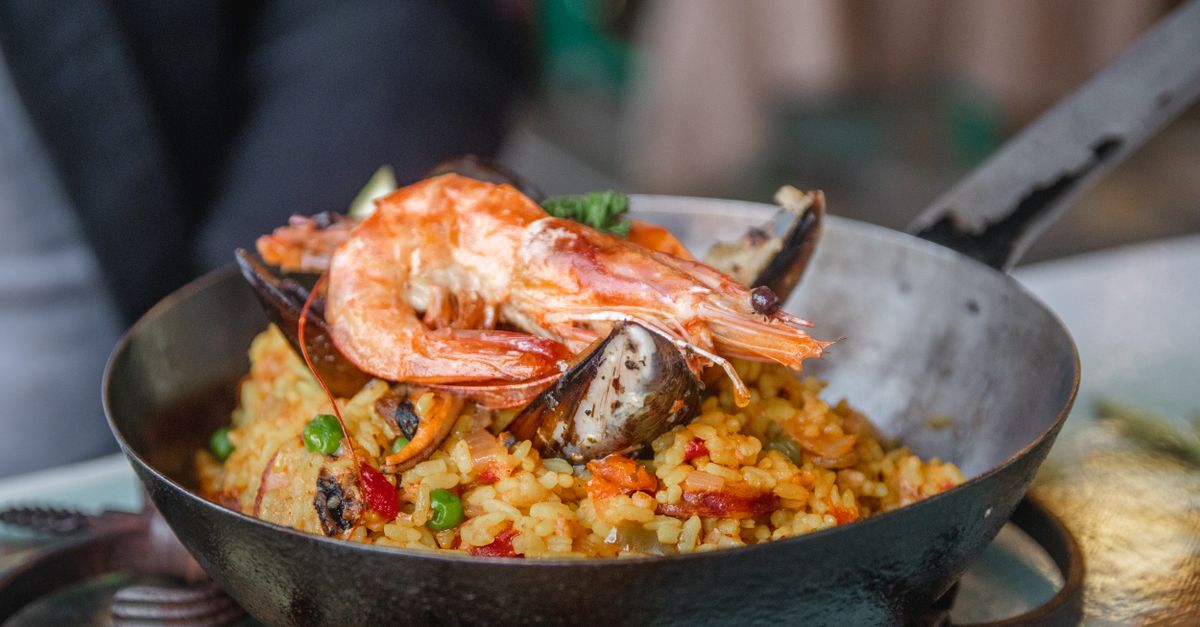
Create a Unique Paella Experience with Custom Ingredients
Table Of Contents
Custom Broths and Stocks
The foundation of any great paella lies in the broth or stock used, as it imparts significant flavour to the rice and ingredients. A seafood paella often benefits from a rich fish stock, while a meat-based version can be enhanced with a hearty chicken or beef broth. Making your own stock allows control over the flavours and elements included, ensuring it aligns with the overall theme of your dish. Aromatics such as garlic, onion, and fresh herbs can elevate the stock, creating a base that is not only tasty but also aromatic.
Exploring custom broths opens the door to numerous culinary possibilities. Infusing your stock with local ingredients can add a distinctive twist that showcases regional flavours. For example, consider incorporating native spices or vegetables unique to Australia, such as bush tomatoes or lemon myrtle. This experimentation can take the traditional paella into a new realm, allowing for combinations that celebrate personal preferences and local produce while enhancing the overall dining experience.
Crafting the Ideal Flavour Foundation
The choice of broth or stock serves as the backbone of any excellent paella. Opting for a seafood stock can enhance the oceanic flavours when using shellfish, while a rich chicken or vegetable stock delivers depth to a more traditional version. Homemade options often yield the most authentic taste, allowing home cooks to infuse their choice of ingredients with personal touches. A base infused with garlic, onion, and smoked paprika adds warmth and sets the stage for the paella’s other flavours to flourish.
After establishing the broth, the next step involves layering in herbs and spices that complement the dish’s primary ingredients. Fresh herbs like parsley or saffron can elevate the overall flavour profile, contributing both aroma and visual appeal. Additionally, introducing elements like chorizo can create a complex base, melding its spiciness with the stock's natural warmth. The balance of these flavours cultivates a unique foundation that beckons diners to explore a diverse range of tastes in each serving.
Designing Unique Combinations
Creating unique combinations in paella allows for experimentation and personal flair. Think beyond traditional ingredients like chicken or seafood. Consider incorporating local produce and unconventional proteins such as duck, kangaroo, or even plant-based options. Seasonal vegetables also contribute to the dish's freshness and vibrancy, adding texture and flavour depth.
Consider the balance of flavours when selecting your ingredients. Sweet elements, such as roasted capsicum, can complement savoury components like chorizo. Fresh herbs, such as coriander or dill, introduce aromatic notes that can elevate the entire dish. By thoughtfully combining diverse ingredients, the result can be an exciting and memorable dining experience, enticing both the palate and the senses.
Pairing Ingredients for a Distinctive Taste
Balancing flavours is essential when crafting a unique paella. Combining seafood with citrusy notes can elevate the dish significantly. For instance, prawns and mussels mesh well with a hint of lemon zest or a splash of orange juice. Exploring regional ingredients can also add layers of complexity. Consider incorporating local varieties of beans alongside chorizo, which brings a rich smokiness that complements other proteins beautifully.
When it comes to vegetables, using seasonal produce ensures freshness and vibrancy in each bite. Roasted capsicum and artichokes can add earthiness, while peas provide a sweet crunch. Experimenting with herbs such as saffron enhances the aromatic profile alongside traditional parsley. Each ingredient plays a role in creating a distinctive ensemble that reflects personal tastes and local influences, leading to a truly memorable paella experience.
Cooking Techniques
Understanding the cooking techniques essential for creating paella is pivotal to achieving a perfect dish. Sautéing the ingredients in a well-seasoned paella pan allows for the development of rich flavours. The heat distribution in these pans promotes an even cooking process. Monitor the temperature closely to avoid burning the rice. Stirring the mixture initially can help blend the flavours, but it’s crucial to refrain from stirring too much later to allow for the coveted socarrat, the crispy bottom layer of rice.
Utilising the right cooking method enhances both texture and taste. Traditionalists often opt for an open flame, which imparts a smoky aroma that elevates the dish. When using a stove, ensure even heat across the pan while being mindful of the cooking time and liquid absorption. Allowing the paella to rest before serving can further enhance the flavours, as it gives the rice a moment to absorb any remaining broth. Mastery of these techniques will lead to a unique paella every time.
Mastering the Art of Paella Preparation
The meticulous preparation of paella hinges on the selection of the right cooking method. A traditional paella pan, with its wide bottom and shallow sides, ensures even heat distribution, crucial for achieving that desired socarrat, the crispy layer of rice at the bottom. Cooking over an open flame elevates flavours, imparting a smoky depth that enhances the dish's overall character. Even with modern stoves, replicating this technique can yield satisfying results, provided the heat is managed correctly to avoid burning.
Timing plays a pivotal role in achieving the perfect paella. Each component requires careful consideration; the aromatics must be softened first, while proteins and vegetables should be added in a sequence that allows each to cook through without losing texture. Patience is essential during the simmering stage, giving the rice ample opportunity to absorb the rich broth whilst developing a harmonious blend of flavours. Stirring often may hinder that prized crust from forming, so care must be taken to allow the rice to settle and fester at the bottom as it cooks.
FAQS
What types of broths and stocks can I use for paella?
You can use a variety of broths and stocks, including seafood, chicken, vegetable, or even customised blends that incorporate herbs and spices to enhance the flavour of your paella.
How can I create a unique combination of ingredients for my paella?
To create a unique combination, consider pairing traditional ingredients with unconventional ones, such as exotic meats, seasonal vegetables, or different types of seafood. Don’t be afraid to experiment with flavours that complement each other.
What cooking techniques are essential for preparing a perfect paella?
Essential techniques include toasting the rice to enhance its flavour, allowing it to absorb the broth fully, and cooking it on a flat surface to achieve a crusty base, known as "socarrat."
Can I make paella vegetarian or vegan?
Absolutely! You can create a delicious vegetarian or vegan paella by using vegetable broth, a variety of fresh vegetables, legumes, and plant-based proteins to maintain texture and flavour.
How do I know when my paella is perfectly cooked?
A perfectly cooked paella should have tender rice with a slight bite (al dente), a rich flavour from the broth, and a crispy layer at the bottom. You can check for the socarrat by gently scraping the bottom of the pan to see if a crust has formed.
Related Links
Tailoring Paella Choices to Suit Diverse Dietary NeedsDesigning Your Ideal Paella Menu for Any Event
Integrating Local Produce into Your Custom Paella Options
Curating a Themed Paella Menu for Special Celebrations
Signature Sauces and Sides to Complement Your Paella
Customisable Paella Add-Ons for a Unique Dining Experience
How to Incorporate Seasonal Ingredients in Your Paella
Innovative Flavour Combinations for Custom Paella Dishes