How to Incorporate Seasonal Ingredients in Your Paella
Table Of Contents
Winter Warmth in Your Dish
The chill of winter calls for hearty ingredients that not only add warmth but also contribute depth to your paella. Root vegetables such as sweet potatoes and parsnips bring natural sweetness and a comforting texture, while seasonal greens like kale or silverbeet introduce vibrant colour and nutritional value. Citrus fruits, like oranges or lemons, enhance the dish with a fresh pop of flavour, balancing the richness of the other ingredients.
Incorporating locally sourced meats can elevate your winter paella. Think along the lines of tender chicken, succulent chorizo, or even game meats when available. These proteins not only provide warmth but also blend beautifully with the aromatic spices that paella is known for, such as saffron and smoked paprika. Combining all these elements creates a dish that embodies the essence of winter.
Best Ingredients for Cold Weather Cooking
In the cooler months, choosing hearty ingredients can elevate the warmth and richness of your paella. Root vegetables like parsnips, carrots, and sweet potatoes add depth and sweetness. Incorporating seasonal greens, such as kale or silverbeet, brings a touch of colour and vital nutrients while complementing the overall dish. Additionally, proteins such as chorizo or duck can enhance the robust flavours, making each serving comforting and fulfilling.
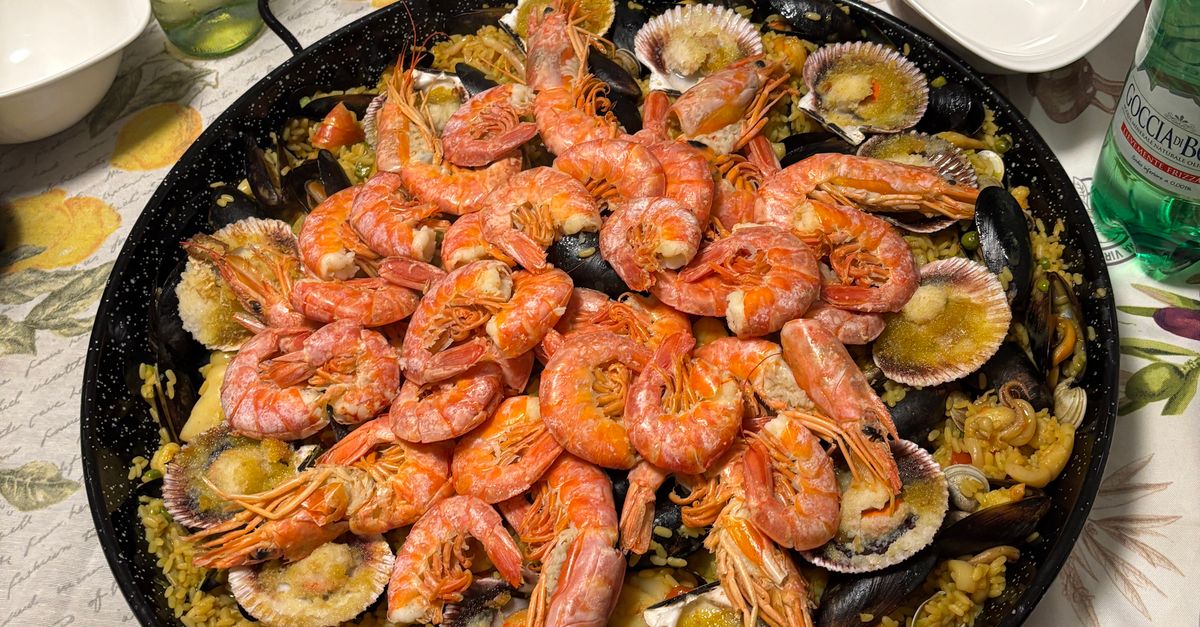
Another excellent choice for winter cooking is seafood, particularly varieties like mussels and prawns, which remain fresh and abundant in colder months. These seafood options pair beautifully with a variety of spices and broths, ensuring that the dish maintains the traditional essence of paella while incorporating the season's best. Using stock made from roasted bones can further intensify the overall flavour, grounding the dish in the warmth and essence of winter nights.
Sourcing Seasonal Ingredients
To create a truly memorable paella, sourcing fresh, seasonal ingredients is essential. Visiting local farmers' markets can be one of the best ways to find high-quality produce while supporting local businesses. These markets often showcase fruits and vegetables that are at their peak flavour, providing an opportunity to select the freshest items available. Building relationships with suppliers may offer insights on upcoming seasonal offerings, ensuring that your paella remains vibrant and delicious.
In addition to farmers' markets, consider exploring local farms or community-supported agriculture (CSA) programs. These initiatives often provide direct access to seasonal produce and unique varieties that may not be readily available in supermarkets. By establishing connections with local growers, you can gain a deeper appreciation for the ingredients and the seasons that influence their harvest, enriching the overall experience of creating your paella.
Finding Farmers' Markets and Local Suppliers
Exploring local farmers' markets can be a rewarding way to discover fresh, seasonal ingredients for your paella. These markets often feature produce that is picked at the peak of ripeness, offering vibrant flavours and superior quality compared to supermarket options. Building relationships with local growers can provide insights into what is in season and may lead to special varieties that enhance your dish.
Additionally, seeking out local suppliers who prioritise sustainable and organic farming practices can benefit both your cooking and the environment. Many of these suppliers offer online platforms or community-supported agriculture (CSA) programs, making it easier to access fresh ingredients throughout the year. Engaging with these resources not only supports local farmers but also creates opportunities to learn about the food you are using in your paella.
Tips for Preparing Seasonal Paella
Using seasonal ingredients in paella brings out the vibrant flavours and textures specific to each time of year. When preparing your dish, consider how to highlight these fresh components through cooking techniques. Sautéing vegetables before adding rice can enhance their natural sweetness. Roasting is another excellent method to intensify flavours, especially for root vegetables and hearty greens, making your paella a celebration of the season.
Ensure that you adapt your cooking time based on the season’s offerings. For instance, winter vegetables take longer to cook than their summer counterparts. Adding ingredients like peas or asparagus later in the cooking process preserves their colour and crunch. Experimenting with different stocks can also elevate the dish. A vegetable stock infused with seasonal herbs adds depth and complements the fresh produce beautifully.
Techniques to Highlight Fresh Flavours
Emphasising the natural flavours of seasonal ingredients can transform your paella into a remarkable culinary experience. Start by selecting fresh produce at its peak ripeness. This ensures the best taste, texture, and colour. Consider roasting or grilling vegetables before adding them to the dish. These methods caramelise the sugars, intensifying the flavours and adding a delightful depth to the overall dish.
Using a light hand with spices and condiments allows the primary ingredients to shine through. Instead of overpowering traditional seasonings, focus on using fresh herbs or a good quality olive oil to finish the dish. A sprinkle of fresh parsley or fragrant saffron will uplift the paella, creating a beautiful balance that highlights the natural essence of each component.
FAQS
What are some seasonal ingredients I can use in my paella during winter?
In winter, consider using root vegetables like carrots and parsnips, seasonal greens such as kale and spinach, and proteins like chicken or rabbit. You can also incorporate winter squash for added warmth and flavour.
How can I find fresh, seasonal ingredients for my paella?
Look for local farmers' markets, which often feature fresh produce that is in-season. Additionally, check with local suppliers or community-supported agriculture (CSA) programs for seasonal offerings.
What cooking techniques can I use to enhance the flavours of seasonal ingredients in my paella?
To highlight fresh flavours, try sautéing your vegetables to release their natural sweetness, using broth made from seasonal ingredients, and adding herbs that complement the season, such as thyme or rosemary.
Can I use frozen seasonal ingredients in my paella?
Yes, frozen seasonal ingredients can be a great alternative when fresh options are not available. Just ensure they are properly thawed and drained before adding them to your paella to avoid excess moisture.
Is it necessary to use only seasonal ingredients in my paella?
While it is not mandatory to use only seasonal ingredients, doing so can enhance the flavour, freshness, and nutritional value of your dish. It also supports local agriculture and reduces the environmental impact of transporting out-of-season produce.
Related Links
Customisable Paella Add-Ons for a Unique Dining ExperienceInnovative Flavour Combinations for Custom Paella Dishes
Integrating Local Produce into Your Custom Paella Options
Curating a Themed Paella Menu for Special Celebrations
Signature Sauces and Sides to Complement Your Paella
The Art of Personalising Your Paella Catering Menu
Tailoring Paella Choices to Suit Diverse Dietary Needs
Create a Unique Paella Experience with Custom Ingredients