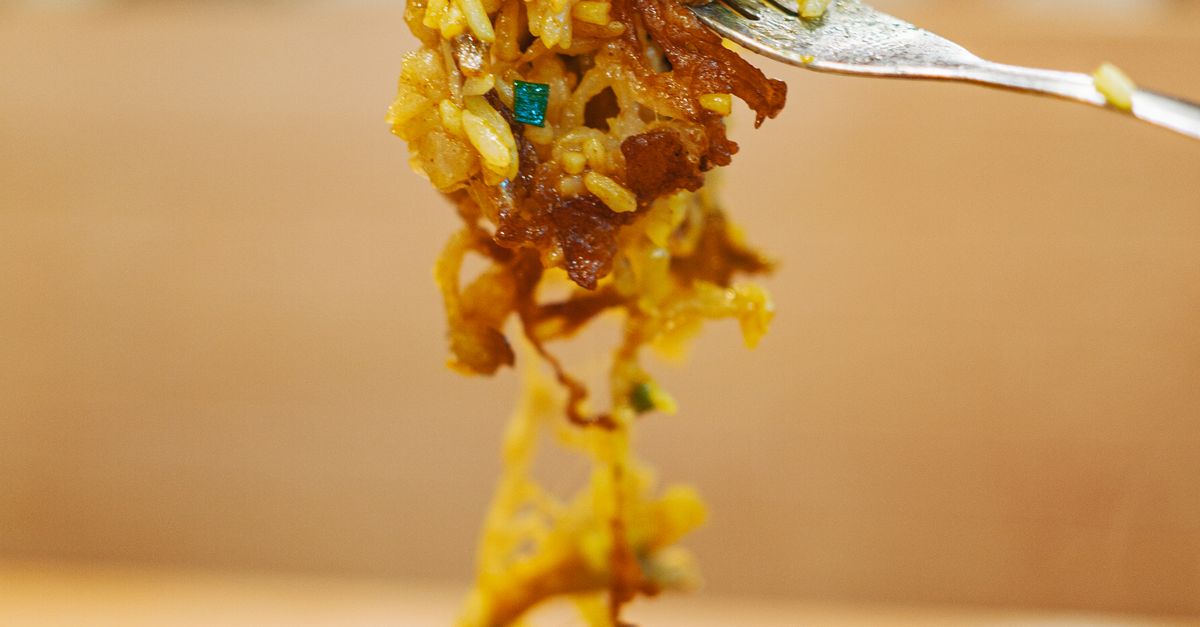
Exploring Unique Flavours in Gluten-Free Paella Options
Table Of Contents
Plant-Based Options for Paella
A delightful array of plant-based ingredients can transform traditional paella into a vibrant dish that appeals to both vegan and vegetarian diners. Seasonal vegetables such as bell peppers, zucchini, and artichokes shine in this adaptation. The inclusion of legumes, like chickpeas or broad beans, not only enhances the protein profile but also adds a hearty texture that complements the rice. Infusing these components with a medley of spices and enhancing the flavours with vegetable broth creates a rich foundation.
Incorporating plant-based proteins, such as tofu or tempeh, offers a satisfying bite while absorbing the aromatic qualities of saffron and smoked paprika typically found in classic recipes. Some may experiment with faux seafood options made from konjac or seaweed, further mimicking the seafood essence in traditional paella. This innovative approach broadens the visual appeal and culinary experience, ensuring that everyone can enjoy a hearty serving of this beloved dish without compromising dietary preferences.
Creating a Vegan Gluten-Free Paella
A vibrant array of vegetables serves as the foundation for an enticing vegan gluten-free paella. Selecting seasonal produce can enhance the dish's flavour and nutritional value. Bell peppers, green beans, artichokes, and peas add not only colour but texture as well. Incorporating saffron and smoked paprika intensifies the authenticity of the dish. To create a rich base, onion and garlic provide essential aromatics.
Utilising a high-quality gluten-free rice is crucial for achieving the right consistency. Arborio or bomba rice absorbs flavours wonderfully while maintaining a firm bite. Cooking the paella in a wide, shallow pan allows for optimal heat distribution and promotes that coveted socarrat — the crispy layer at the bottom. Stirring is minimal to ensure each grain stays distinct. Adding a splash of vegetable stock can help to deepen the flavour and ensure the rice cooks evenly.
Regional Variations in Paella
Different regions of Spain offer distinct takes on paella, each showcasing local ingredients and culinary traditions. In Valencia, the birthplace of this iconic dish, you’ll find the traditional paella Valenciana, made with chicken, rabbit and a variety of fresh vegetables. The unique blend of saffron and paprika contributes to the vibrant colour and flavour profile that defines Valencian cuisine. Other coastal areas favour seafood paella, incorporating shellfish, calamari and local fish, which reflects their relationship with the sea.
Beyond Spain, global influences have shaped unique interpretations. In Australia, for instance, local chefs often infuse the dish with fresh seafood from the surrounding waters, creating a unique fusion that marries Spanish heritage with the bounty of the Australian coastline. This version often emphasises seasonal vegetables and a variety of spices, enhancing its appeal to diverse palates. The incorporation of native ingredients can add an exciting twist, showcasing the versatility of this cherished dish.
Influences from Australian Cuisine
Australia's diverse culinary landscape offers a wealth of inspiration for reinventing traditional paella. Local seafood, such as barramundi and prawns, can be seamlessly integrated, providing a unique twist on the classic dish. Seasonal vegetables like asparagus and sweet potatoes, often favoured in Australian cooking, add vibrancy and freshness to the mix. The use of native ingredients, such as lemon myrtle and macadamia nuts, introduces an intriguing flavour profile that enhances authenticity while maintaining gluten-free integrity.
The outdoor cooking culture prevalent in Australia presents another avenue for paella's evolution. Using barbecues or open flames allows for a smoky depth that pairs beautifully with the fresh ingredients. This method encourages a communal dining experience, which mirrors the traditional seafood grill culture found along the coasts. Additionally, variations such as using quinoa instead of rice cater to health-conscious diners, while reflecting Australia’s increasing demand for wholesome, nutrient-dense meals. The result is a modern take on paella that is both uniquely Australian and true to its roots.
Cooking Techniques for Perfect Paella
The key to a perfect paella lies in mastering the cooking techniques that enhance its flavour and texture. Begin by selecting the right type of rice. Short-grain rice, such as Bomba or Calasparra, absorbs liquids better while remaining firm. The initial step involves sautéing vegetables and proteins in olive oil to develop a rich layer of flavour. This helps create a socarrat, the delicious crust that forms at the bottom, which is a hallmark of a traditional paella.
Temperature control also plays a crucial role in achieving an ideal dish. Start with high heat to promote even cooking and to help the rice absorb the stock without becoming mushy. Once the liquid is incorporated, reduce the heat to allow a gradual simmer. This method ensures that the rice cooks evenly while preventing it from sticking excessively to the pan. Remember to avoid stirring once the rice has started cooking; this fosters the formation of the socarrat, adding depth to the overall dish.
Tips for Achieving the Ideal Texture
The key to a perfect gluten-free paella lies in the choice of rice. Short-grain varieties like Arborio and Calasparra are excellent for absorbing liquid while maintaining a firm texture. Rinsing the rice before cooking can remove excess starch, preventing it from becoming overly gluggy. Use homemade or high-quality store-bought stock to impart flavour. Ensure that the rice is toasted slightly in oil before adding the liquid, which develops a richer taste and better texture.
Achieving the ideal texture also involves careful cooking. A flat, wide pan allows for even heat distribution, encouraging uniform cooking of the rice. Avoid frequent stirring after adding the broth, as this can release too much starch and create a mushy consistency. Instead, let the dish simmer undisturbed until the liquid is absorbed and the rice forms a crispy layer at the bottom, known as socarrat. This adds both flavour and texture to the paella, creating a satisfying contrast to the tender grains above.
FAQS
What is gluten-free paella?
Gluten-free paella is a variation of the traditional Spanish dish that is made without any gluten-containing ingredients, ensuring it is suitable for those with gluten intolerance or coeliac disease.
Can I make a vegan gluten-free paella?
Yes, you can create a vegan gluten-free paella by using plant-based ingredients such as vegetables, legumes, and gluten-free grains like rice, while omitting any animal products.
What are some common regional variations in paella?
Common regional variations in paella include seafood paella from Valencia, mixed paella that combines meat and seafood, and even unique adaptations influenced by local cuisines, such as Australian paella with native ingredients.
How can I incorporate Australian flavours into my paella?
You can incorporate Australian flavours by adding local ingredients such as kangaroo meat, barramundi, or native herbs like lemon myrtle to give your paella a unique twist.
What tips can help me achieve the ideal texture in my paella?
To achieve the ideal texture in your paella, use the right type of rice, avoid stirring once the broth is added, and allow the dish to rest after cooking to ensure the rice absorbs the flavours and achieves a perfect consistency.
Related Links
Popular Gluten-Free Additions to Elevate Your Paella ExperienceUnderstanding Gluten-Free Grains for Authentic Paella
Serving Suggestions: How to Present Gluten-Free Paella at Events
How Gluten-Free Paella Can Cater to Everyone's Dietary Needs
Pairing Wines with Gluten-Free Paella: A Comprehensive Guide
Tips for Cooking Perfect Gluten-Free Paella Every Time
Creative Gluten-Free Paella Recipes to Impress Your Guests
Sourcing Quality Ingredients for Gluten-Free Paella in Sydney