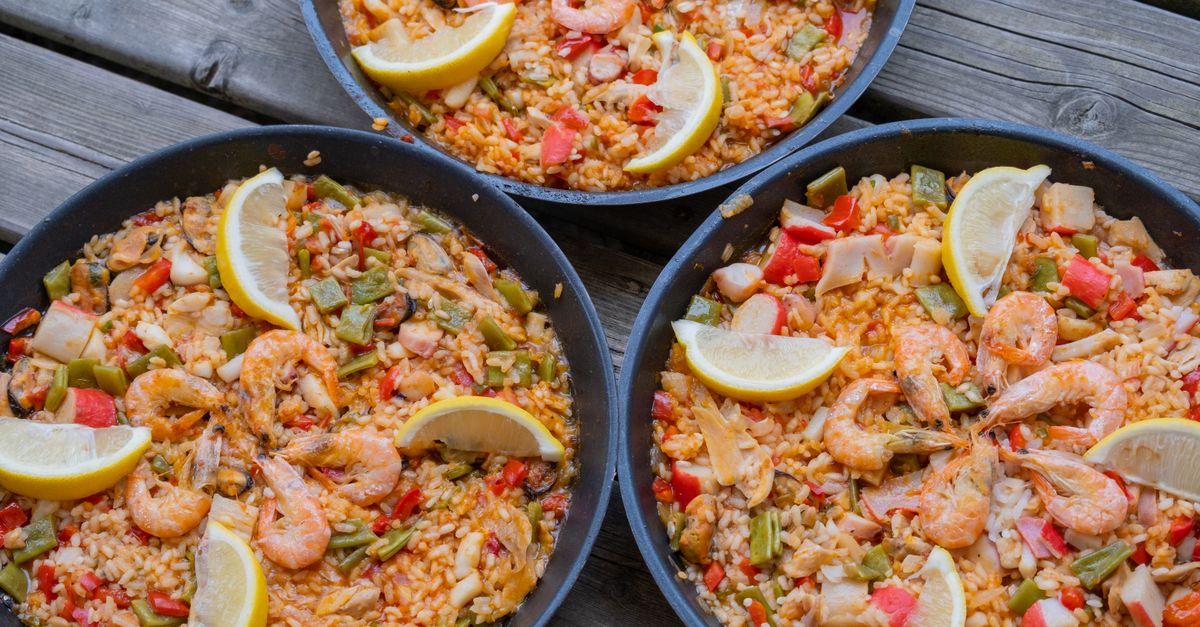
Serving Suggestions: How to Present Gluten-Free Paella at Events
Table Of Contents
Serving Temperature and Timing
Maintaining the right temperature is crucial for serving gluten-free paella. Ideally, paella should be served hot, ideally around 70 degrees Celsius. This not only enhances the flavours but also ensures food safety. If paella sits too long at a lower temperature, it can become unappetising. Utilizing a gas burner or chafing dishes can help maintain warmth during events, allowing guests to enjoy each serving fresh.
Timing is essential when preparing to present paella. Aim to synchronise the cooking process with your event schedule, ensuring that the dish is ready just before guests begin arriving. This prevents a prolonged waiting period, which can affect both the temperature and the quality. Monitoring the cooking time diligently will allow for an impressive display and a delightful dining experience for all attendees.
Best Practices for Keeping Paella Warm
To maintain the ideal serving temperature of paella, it is essential to utilise suitable equipment that retains heat effectively. Using a chafing dish with a water bath can help keep the dish warm without compromising its texture. Additionally, covering the paella with foil can minimise heat loss and prevent it from drying out, ensuring that each guest experiences the dish at its best.
Another effective method is to reheat portions as needed rather than allowing the entire dish to sit for extended periods. Sourcing heat sources such as warming trays can also prove useful during large events, allowing for quick access to freshly heated portions. Regularly stirring the paella can help distribute heat evenly, ensuring that guests enjoy a consistently warm serving throughout the event.
Providing Dietary Information
Clear communication about dietary options is essential at any event. Guests appreciate when information regarding ingredients and potential allergens is presented upfront. This practice not only promotes inclusivity but also builds trust. Highlighting that the paella is gluten-free can encourage guests who may have hesitated to try it, ensuring everyone feels accommodated.
Providing a detailed menu can greatly enhance the dining experience. Consider using labels that indicate gluten-free status alongside other dietary considerations such as vegan or nut-free options. This approach allows guests to make informed choices and can spark conversations about the dish. Such transparency can elevate the overall impression of the event, demonstrating a commitment to catering for diverse dietary needs.
Importance of Clear Labelling for Guests
Clear labelling is essential in ensuring that all guests feel safe and included when enjoying gluten-free paella. In an event setting, where various dietary restrictions may come into play, having labels that specify ingredients and potential allergens can significantly reduce the risk of misunderstandings. When guests can easily identify what they are consuming, it not only enhances their experience but also fosters an atmosphere of trust in the catering service.
Labels should be positioned prominently and written in a legible font. Guests might appreciate colour-coded systems or symbols indicating gluten-free options, making the selection process swift and simple. Transparency in food preparation, such as disclosing cross-contamination risks, also plays a vital role in guest comfort. A well-informed guest is more likely to enjoy their meal and feel valued by the host.
Incorporating Seasonal Ingredients
Using seasonal ingredients can significantly enhance the flavour profile of gluten-free paella. Fresh produce, sourced at the peak of its season, often carries more flavour and nutrient density. Local markets provide an array of vegetables, seafood, and spices that can be incorporated to create a dish that reflects the current bounty. For instance, spring might bring sweet peas and asparagus, while summer can showcase vibrant tomatoes and capsicum. These ingredients not only taste better but also elevate the visual appeal of the dish with their colours.
Incorporating these fresh elements allows for flexibility in recipes and encourages creativity. Chefs can experiment with different combinations depending on what is available, ensuring the dish remains interesting while adhering to gluten-free requirements. Seasonal herbs such as basil and parsley can offer vibrant notes and fresh aromas that complement the main ingredients. This practice not only supports local farmers but also helps create a more sustainable catering option, which is increasingly important to event guests.
Enhancing Flavour with Fresh Produce
Utilising seasonal produce not only elevates the taste but also showcases local flavours. Fresh vegetables like bell peppers, artichokes, and zucchini can add colour and texture to gluten-free paella. Choosing ingredients at their peak ripeness ensures that the dish bursts with flavour. This approach also contributes to sustainability by reducing the carbon footprint involved in transporting out-of-season produce.
Herbs play a crucial role in enhancing the overall experience of the dish. Fresh parsley, saffron, and thyme bring aromatic qualities that complement the rice and protein options perfectly. Incorporating these herbs just before serving can create a vibrant visual impact while intensifying the fragrance. Additionally, a squeeze of lemon or lime at the end adds a refreshing zing that ties together the array of flavours beautifully.
FAQS
What is the best temperature to serve gluten-free paella?
It is recommended to serve gluten-free paella at a temperature of around 60°C (140°F) to ensure optimal flavour and safety.
How can I keep gluten-free paella warm during an event?
You can keep gluten-free paella warm by using a chafing dish with a heat source, covering it with foil, or placing it in an insulated container.
Why is clear labelling important for gluten-free paella?
Clear labelling is crucial as it informs guests about dietary restrictions and helps prevent any accidental consumption of gluten, ensuring a safe dining experience for those with allergies.
What seasonal ingredients work best in gluten-free paella?
Seasonal ingredients such as asparagus, peas, bell peppers, and seafood can enhance the flavour and presentation of gluten-free paella while adding freshness to the dish.
How can I enhance the flavour of gluten-free paella?
You can enhance the flavour of gluten-free paella by using fresh herbs, quality broths, and a variety of seasonal vegetables, which will add depth and complexity to the dish.
Related Links
Popular Gluten-Free Additions to Elevate Your Paella ExperienceThe Benefits of Choosing Gluten-Free Paella for Your Sydney Event
Exploring Unique Flavours in Gluten-Free Paella Options
Understanding Gluten-Free Grains for Authentic Paella
How Gluten-Free Paella Can Cater to Everyone's Dietary Needs
Pairing Wines with Gluten-Free Paella: A Comprehensive Guide