The Art of Cooking Mixed Paella: Techniques and Tips
Table Of Contents
Achieving the Perfect Sofrito
A well-crafted sofrito serves as the foundational layer of flavour in mixed paella. Start by finely chopping a mixture of onions, garlic, and tomatoes. Heat a generous amount of olive oil in a large, wide pan and add the chopped vegetables once the oil is shimmering. Cook them over medium heat, ensuring that they soften and caramelise without browning. This slow cooking process allows the natural sugars in the vegetables to develop and enhances the overall depth of flavour.
In addition to the basic trio, you might consider incorporating bell peppers, or even some saffron at this stage for added warmth and complexity. The key is patience; allow the ingredients to meld and reduce for at least 15 to 20 minutes. This is where the magic happens, as the sofrito transforms into a rich, aromatic base that will set the stage for your paella. Monitoring the temperature is crucial to prevent any burning while ensuring the mixture achieves the optimal consistency and flavour.
Techniques for a Flavourful Base
Creating a flavourful base is essential for a delicious mixed paella. Start by finely chopping onions, garlic, and other aromatic vegetables, then sauté them in olive oil over medium heat. This technique allows the natural sugars to caramelise, enhancing the depth of flavour. It’s crucial not to rush this process. Allowing the vegetables to soften gradually will produce a rich sofrito that serves as the backbone of the dish.
Incorporating different spices at the right moment can elevate the sofrito further. Saffron, paprika, and bay leaves all contribute unique nuances. For added complexity, consider deglazing the pan with a splash of white wine or stock, which will lift those delicious browned bits stuck to the bottom. This technique not only enhances the flavour but also adds a beautiful depth of colour to the base, setting the stage for an exceptional paella.
Cooking Techniques for Mixed Paella
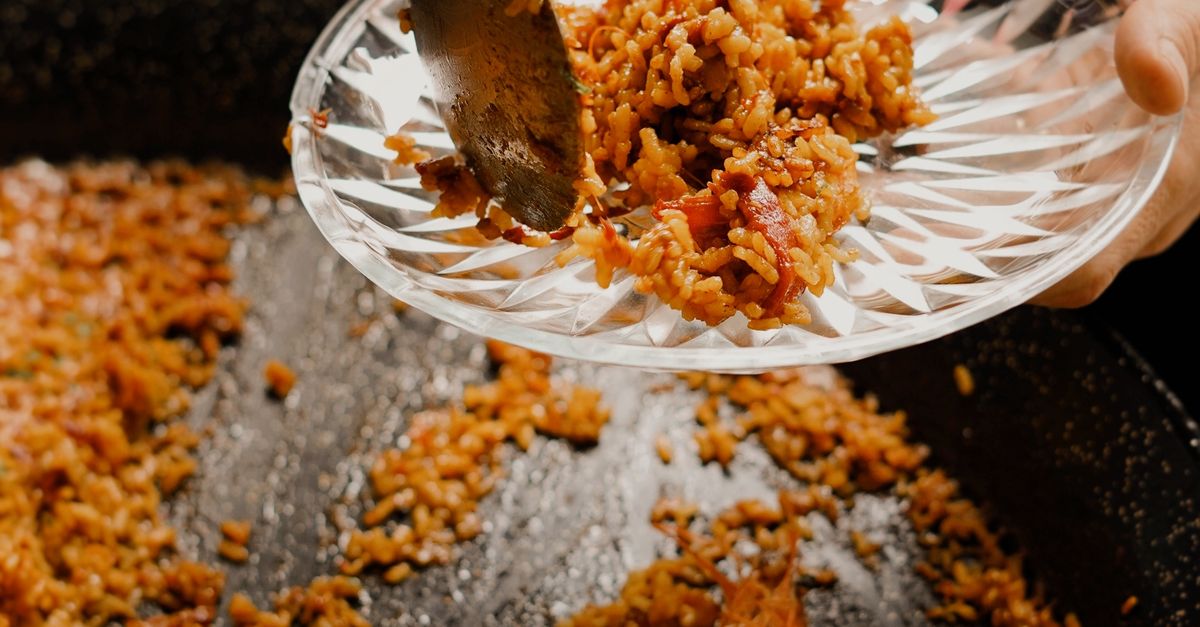
Creating a successful mixed paella relies on the careful balance of cooking techniques. Start by using a wide, shallow pan to allow for even heat distribution. This shape ensures that the rice cooks uniformly and absorbs flavours effectively. Maintain high heat at the beginning to toast the rice, which adds a delightful nuttiness to the dish. Once the rice has started to absorb the stock, reduce the heat slightly to allow for a gentle simmer. This approach helps develop that sought-after socarrat, the crispy layer at the bottom of the paella.
Managing the timing of ingredient additions is crucial in crafting a harmonious mixed paella. Begin by sautéing proteins like chicken, chorizo, or seafood separately to develop their flavours before incorporating them into the rice. Vegetables should be added according to their cooking times; firmer ones like bell peppers and green beans can go in earlier, while delicate ingredients like peas should be reserved for the final stages. Stirring should be minimal after adding the stock—paella benefits from a more hands-off approach as it cooks. This practice promotes even cooking and helps achieve that signature texture.
Understanding Heat Distribution
When preparing mixed paella, the even distribution of heat is crucial for achieving that perfect combination of textures and flavours. A traditional paella pan, wider and shallower than ordinary pots, facilitates even cooking. Placing the pan over a flame ensures that the heat reaches all areas, but it's essential to monitor the intensity. Areas near the flame can heat up quickly, leading to potential uneven cooking or scorching. Adjusting the flame throughout the cooking process helps mitigate these issues.
Positioning the pan correctly on the heat source impacts the cooking outcome significantly. If using a gas burner, adjust the settings to achieve uniform heat distribution across the base of the pan. For those with traditional wood fires, managing the distance from the flames can control the heat effectively. Observing the cooking process allows for timely adjustments, promoting the ideal balance between parts of the paella. This careful attention to heat will help create the delicious crust, or socarrat, that is a hallmark of successful paella.
The Role of Stock in Paella
Stock is a fundamental component that significantly enhances the flavour of mixed paella. Using a rich, homemade broth rather than water provides depth and complexity to the dish. When simmered with herbs, vegetables, and aromatics, a well-made stock imparts layers of taste that elevate the overall experience. Many chefs recommend using a combination of fish stock for seafood elements and a lighter chicken or vegetable stock for the meat components. This careful blending of flavours sets the base for a truly remarkable paella.
The quality of stock directly influences the final dish. A poorly made or store-bought stock can result in a bland and uninspired paella, while a carefully crafted broth brings life to the rice. It’s essential to ensure that the stock is well-seasoned, as it will bind all the elements of the paella together. Additionally, the temperature and consistency of the stock during cooking impact the absorption of flavours by the rice, making it crucial to maintain a balance that allows for optimal moisture without compromising the texture of the final product.
How to Make a Rich Broth
A well-made broth serves as the backbone of a delicious paella, infusing every grain of rice with depth and character. For optimal results, start with fresh ingredients such as chicken bones, seafood shells, or a mix of both. This combination enhances the flavour profile. Add aromatics like onion, garlic, and a selection of herbs, including thyme or parsley. Simmer the mixture gently to extract the essence, being careful not to boil, as this can cause unwanted cloudiness in the broth.
Timing is crucial when developing a rich broth. Allow it to simmer for at least one hour, which provides ample time for the flavours to meld together. Strain the broth through a fine mesh sieve to remove solids, ensuring a smooth and clear liquid. If planning to use the broth later, consider reducing it to concentrate the flavour even further. This concentrated stock can elevate your paella, providing a robust foundation for the dish's other ingredients.
FAQS
What is the importance of sofrito in mixed paella?
Sofrito is essential in mixed paella as it forms the flavourful base for the dish, combining ingredients like onions, garlic, and tomatoes to create depth and richness.
How can I ensure even heat distribution when cooking paella?
To ensure even heat distribution, use a wide, shallow pan and cook over a consistent heat source. Stir occasionally and monitor the temperature to avoid hotspots that can burn the rice.
What type of stock should I use for making paella?
For the best results, use a rich homemade stock, such as chicken, seafood, or vegetable stock, tailored to complement the ingredients of your mixed paella.
How do I achieve the perfect texture for the rice in paella?
The perfect texture is achieved by using the right type of rice, such as Bomba or Calasparra, and ensuring you do not stir the rice once the stock is added, allowing a crust to form at the bottom.
Can I make mixed paella ahead of time?
While paella is best enjoyed fresh, you can prepare components like the sofrito and stock ahead of time. However, it’s recommended to cook the rice right before serving for optimal texture and flavour.
Related Links
Cultural Influences in Mixed Paella RecipesThe Perfect Blend: Creating Delicious Mixed Paella in Sydney
Serving Suggestions for Mixed Paella at Your Next Event
Pairing Wines with Mixed Paella: A Guide for Sydney Catering
Catering for All: Why Mixed Paella Fits Every Taste