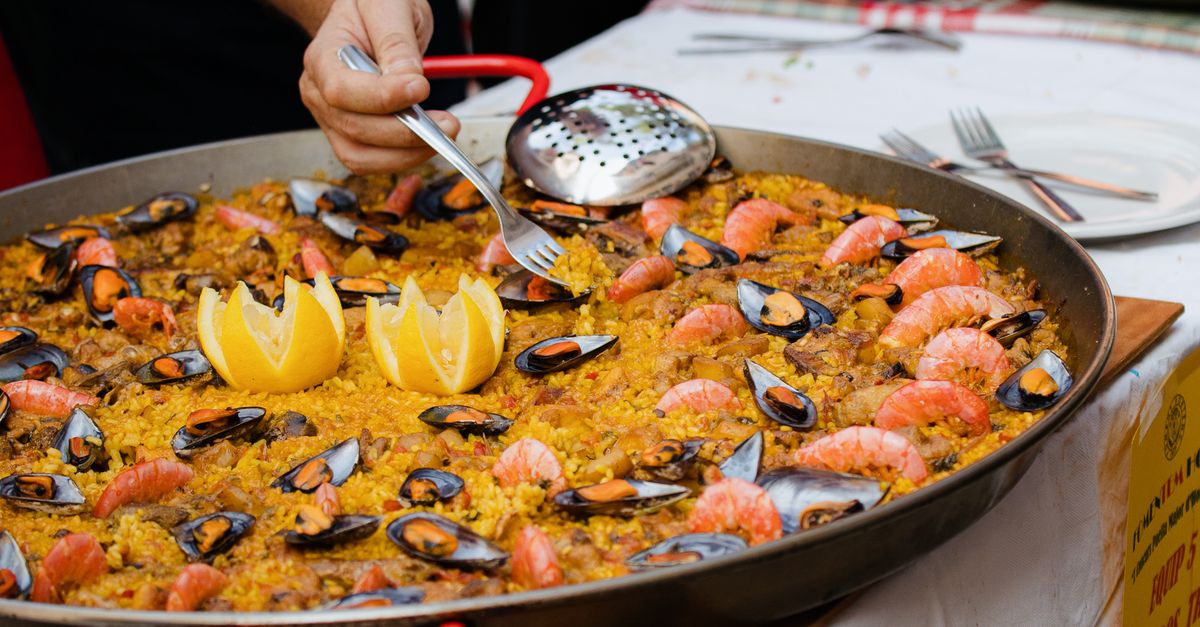
The Perfect Blend: Creating Delicious Mixed Paella in Sydney
Table Of Contents
Where to Find the Best Ingredients in Sydney
In Sydney, vibrant local markets provide a treasure trove of fresh produce and authentic flavours. The bustling Paddy's Markets in Haymarket is an ideal place to start. Here, you can source ripe tomatoes, seasonal vegetables, and an array of seafood, all at competitive prices. Speciality stores throughout the city offer high-quality saffron and premium rice varieties such as Bomba, which are essential for achieving the perfect paella texture.
Additionally, the Sydney Fish Market stands out as a must-visit for seafood lovers. It boasts a diverse selection of both local and exotic seafood, including prawns, mussels, and calamari, allowing for endless combinations in your mixed paella. For those seeking artisanal products, stores like David Jones Food Hall offer gourmet ingredients to elevate your dish. With a little exploration, finding the best ingredients for a delicious paella will be an enjoyable adventure.
Local Markets and Specialty Stores
Sydney is home to a vibrant range of local markets and specialty stores that cater to those seeking quality ingredients for mixed paella. Fresh produce, succulent meats, and authentic spices can be found at places like the Sydney Fish Market and the iconic Paddy's Markets. These locations not only provide an array of options but also foster a community atmosphere, making shopping a delightful experience. Many vendors share stories about their products, allowing you to select the freshest ingredients for your dish.
For specialty items such as saffron and chorizo, establishments like Mediterranean Wholesalers and Spain on a Plate stand out. They offer a selection of imported goods ideal for paella preparation. Exploring these stores introduces cooks to unique flavours that elevate the dish. Engaging with knowledgeable staff can also lead to discovering new ingredients and tips to create a truly authentic paella experience.
Matching Wines with Mixed Paella
When enjoying a delightful mixed paella, the choice of wine can significantly enhance the overall experience. A crisp white wine often complements the dish beautifully, balancing the richness of the seafood and the earthiness of the chorizo. Look for varietals such as Albariño or Verdejo, which offer refreshing acidity and citrus notes. These wines work seamlessly with the dish's flavours, elevating your taste experience.
For those who prefer red wine, light and fruity options can also serve well alongside mixed paella. A Pinot Noir or a young Garnacha can provide a pleasant contrast without overpowering the intricate flavours of the dish. The key is to select wines that harmonise with the diverse ingredients rather than compete with them. This thoughtful pairing can create a remarkable culinary journey at your table.
Ideal Pairings to Enhance Your Meal
When enjoying mixed paella, selecting the right wine can elevate the experience significantly. A crisp, chilled white wine, such as an Albarino or a Verdejo, complements the vibrant flavours of seafood and vegetables. Alternatively, a light-bodied red, such as a Garnacha, goes well with the rich and diverse ingredients found in meat-based versions. The wine's acidity should balance the dish's richness, enhancing each bite while refreshing the palate.
Additionally, consider serving a selection of tapas alongside the paella to create a well-rounded meal. Dishes like patatas bravas, Spanish chorizo, and grilled octopus add variety and stimulate the taste buds before the main course. A fresh salad with a tangy vinaigrette can also provide a pleasing contrast to the hearty flavours of the paella. Engaging multiple senses will boost the overall dining experience for your guests.
Hosting a Paella Night
A paella night can transform an ordinary gathering into an unforgettable experience. Start by inviting friends and family, ensuring a diverse guest list to encourage lively conversations around the stove. Set up your cooking station outdoors if possible, as the aroma of sizzling seafood and fresh spices will add to the excitement. Choose a large paella pan to accommodate everything, making it a visual feast as well as a culinary delight.
Creating a warm and inviting atmosphere is essential for a successful evening. Consider decorating the space with vibrant colours and Spanish-inspired décor. Add music that complements the theme; traditional flamenco guitar can set a lovely backdrop. Encourage guests to partake in the cooking process, allowing them to learn and share in the joy of crafting the dish together. Having a few outdoor blankets handy is great for those who wish to relax as they enjoy the warm Mediterranean flavours.
Creating the Perfect Atmosphere for Your Guests
To set the stage for an unforgettable paella night, consider the ambience of your dining space. Lighting plays a crucial role; soft, warm lights create a welcoming feel, while candles add a touch of intimacy. Incorporating Spanish-themed decorations, such as colourful tablecloths or flamenco-inspired centrepieces, contributes to the overall aesthetic. Arrange seating to encourage conversation, ensuring your guests feel comfortable and engaged throughout the evening.
Music enhances the experience, so opt for a curated playlist featuring Spanish guitar or lively flamenco tracks. This not only complements the culinary journey but also invites guests to immerse themselves in the cultural essence of the meal. Having a well-planned serving strategy ensures that everyone gets their share of paella while enjoying the festivities together. Small touches like personalised place cards or a brief introduction to the ingredients used can spark conversation, making the night even more memorable.
FAQS
What ingredients do I need to make mixed paella?
To make mixed paella, you will need rice (preferably Bomba or Arborio), chicken, seafood (such as prawns and mussels), chorizo, bell peppers, tomatoes, peas, garlic, saffron, and a good quality chicken or seafood stock.
Where can I find fresh seafood for my paella in Sydney?
Fresh seafood can be found at local fish markets such as the Sydney Fish Market, as well as at specialty seafood stores and some local markets that offer fresh produce.
What wines pair well with mixed paella?
Ideal wine pairings for mixed paella include a crisp white wine like Albariño or a rosé. If you prefer red wine, a light-bodied Pinot Noir can also complement the dish nicely.
How do I create the right atmosphere for a paella night?
To create the perfect atmosphere for a paella night, consider setting up outdoor seating, using colourful tableware, playing Spanish music, and incorporating decorative elements such as candles or fairy lights.
Can I make paella in advance?
While paella is best served fresh, you can prepare ingredients in advance and store them separately. Cooked paella can also be refrigerated and reheated, although it may lose some of its original texture.
Related Links
Ingredients That Shine: Crafting the Ultimate Mixed PaellaThe Art of Cooking Mixed Paella: Techniques and Tips
Cultural Influences in Mixed Paella Recipes
Serving Suggestions for Mixed Paella at Your Next Event
Pairing Wines with Mixed Paella: A Guide for Sydney Catering
Catering for All: Why Mixed Paella Fits Every Taste
Top Tips for Achieving a Successful Mixed Paella Dish
Exploring Flavours: Unique Variations of Mixed Paella Explained
Step-by-Step Guide to Making Traditional Mixed Paella