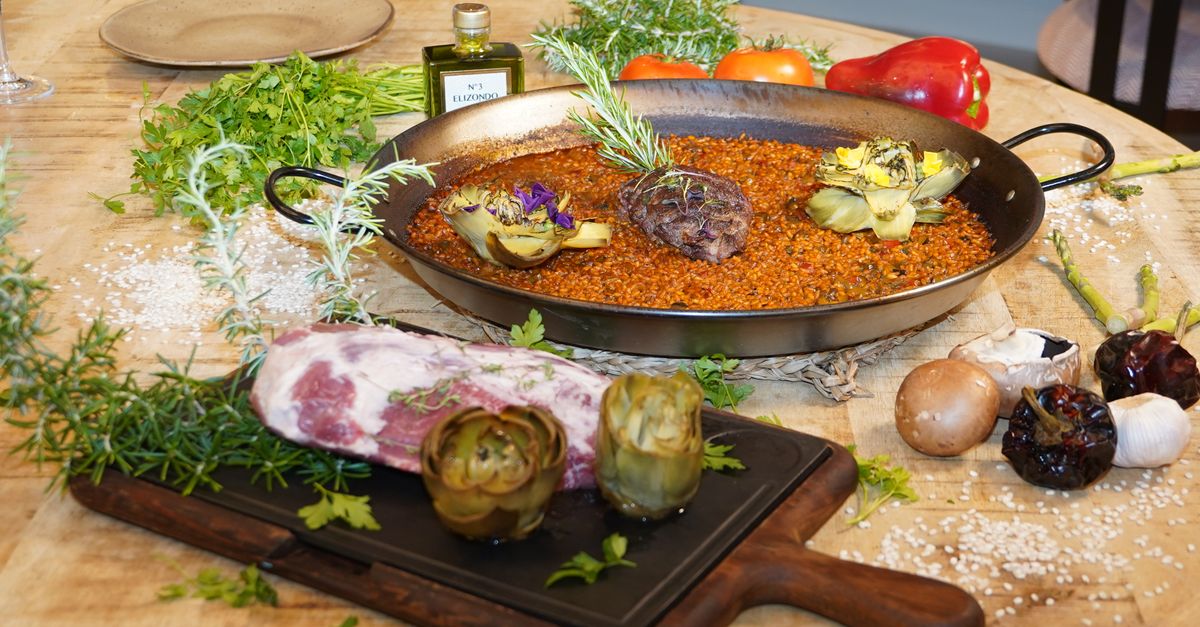
The Perfect Rice for Your Sydney Vegetarian Paella
Table Of Contents
Selecting the Right Cooking Method
Choosing the right cooking method can significantly influence the texture and flavour of your vegetarian paella. The stovetop is a popular choice for many cooks; it allows for direct heat control and a rapid cooking process. This method promotes browning and can create the desirable socarrat, the crispy bottom layer of rice that many traditionalists seek. The stovetop method often requires constant attention, ensuring that the heat remains even and ingredients are well incorporated.
Alternatively, cooking paella in the oven provides a more hands-off experience. The gentle, surrounding heat can help the rice cook evenly, reducing the risk of the bottom burning. This method suits those who prefer multitasking in the kitchen, as it allows for the possibility to prepare other dishes simultaneously. While the socarrat may be slightly different when cooked in the oven, many still achieve a lovely texture with this approach.
Stovetop vs. Oven
The stovetop method offers hands-on control over the cooking process, allowing you to adjust heat levels as necessary. This can be particularly beneficial when achieving the perfect socarrat, the crispy bottom layer of rice that many crave. Using a wide pan, heat distribution is efficient, enabling the rice to absorb flavours from the ingredients while maintaining a nice texture.
On the other hand, the oven method provides a more consistent heat, resulting in a less hands-on approach. Once everything is assembled, it allows for greater freedom to focus on preparing other components of your meal. This method can enhance the depth of flavour, as the enclosed environment promotes even cooking and moisture retention, ultimately contributing to a well-rounded dish.
Making Your Vegetarian Paella Extra Special
To elevate your vegetarian paella, focus on incorporating a variety of fresh seasonal vegetables. This not only enhances the dish’s flavour profile but also adds a vibrant array of colours. Consider local produce such as sweet capsicum, tender zucchinis, and earthy mushrooms. Roasting or sautéing these vegetables before adding them to the rice can intensify their natural sweetness and create a lovely caramelisation that enriches the overall dish.
Another crucial aspect is the addition of gourmet ingredients that can take the meal to the next level. Smoked paprika, saffron, and a hint of chilli can significantly enhance the depth of flavour in your paella. Alongside these spices, a sprinkle of fresh herbs like parsley or coriander just before serving adds brightness and freshness. Choose high-quality olive oil for cooking to complement the natural tastes of your ingredients, making each bite irresistible.
Incorporating Fresh Seasonal Vegetables
Using fresh seasonal vegetables can significantly enhance the flavour and texture of your vegetarian paella. Local markets in Sydney often showcase a wide variety of produce that can bring vibrant colours and unique tastes to your dish. Options like zucchini, bell peppers, and asparagus not only add nutritional value but also create an appealing visual contrast when cooked together. Selecting vegetables that are at their peak ripeness ensures maximum flavour and freshness.
Focusing on seasonal ingredients allows for a more sustainable cooking practice. It supports local farmers and reduces the environmental impact associated with long-distance food transportation. Consider incorporating vegetables such as ripe tomatoes, sweet corn, or broad beans, depending on the time of year. This approach not only elevates your paella but also connects you with the seasonal rhythms of Australian agriculture.
The Importance of Stock in Paella Preparation
A robust stock elevates the overall flavour profile of your vegetarian paella, anchoring the dish with depth and richness. Using a homemade vegetable stock allows for complete control over the ingredients, ensuring that it harmonises with the seasonal vegetables incorporated. Fresh herbs, roasted garlic, and a splash of wine can enhance the stock's complexity, transforming it into a vital component of the final dish.
Commercial stocks may be convenient but can often lack the depth and nuance found in homemade versions. Store-bought options may contain preservatives and flavour enhancers, which may not align with the fresh, vibrant aesthetic of a vegetarian paella. Preparing your own stock not only results in a more authentic dish but also lets you customise flavours to suit your palate. The careful crafting of your stock can truly make a significant difference in achieving that perfect, hearty paella blend.
How to Make Flavourful Vegetable Stock
Creating a vibrant vegetable stock begins with selecting fresh, high-quality ingredients. Carrots, onions, celery, garlic, and leeks form a classic base, but feel free to experiment with seasonal vegetables like zucchini or bell peppers. Chop the vegetables into uniform pieces to ensure even cooking. You can enhance the stock's depth by adding herbs such as thyme, parsley, or bay leaves. Keep in mind that a mix of roasted and raw vegetables can add layers of flavour, along with a touch of olive oil to help extract the richness from the ingredients.
Simmering the mixture gently is essential for developing a robust flavour. Fill a pot with your chopped vegetables, cover them with cold water, and bring it to a gentle boil. Once boiling, reduce the heat and let it simmer for at least an hour, skimming off any foam that rises to the surface. Adding a splash of vinegar or a splash of wine can help extract maximum flavour. After simmering, strain the stock through a fine mesh sieve or cheesecloth to separate the solids, leaving you with a clean, aromatic liquid ready to elevate your vegetarian paella.
FAQS
What type of rice is best for making vegetarian paella?
The best rice for vegetarian paella is typically Bomba or Calasparra rice, as these varieties absorb liquid well and maintain their texture during cooking.
Can I use brown rice instead of white rice in my paella?
While you can use brown rice, it requires a longer cooking time and more liquid. For a traditional texture and flavour, it’s recommended to stick with Bomba or Calasparra rice.
How much rice should I use per person for paella?
A good rule of thumb is to use about 100 grams of uncooked rice per person, which should yield a satisfying serving size when cooked.
Is it necessary to soak the rice before cooking paella?
No, soaking is not necessary for Bomba or Calasparra rice. These varieties are designed to absorb liquid during cooking without prior soaking.
What is the best way to season the rice for vegetarian paella?
Season the rice by cooking it in a well-flavoured vegetable stock and incorporating saffron or smoked paprika to enhance its taste and aroma.
Related Links
Unique Herbs and Spices to Elevate Vegetarian PaellaTop Ingredients for a Delicious Vegetarian Paella
Vegetarian Paella: A Sustainable Choice for Catering
The Rise of Vegetarian Paella in Sydney's Food Scene
Hosting a Vegetarian Paella Party: Tips and Tricks
How to Cook the Perfect Vegetarian Paella at Home
Pairing Wines with Your Vegetarian Paella Selection