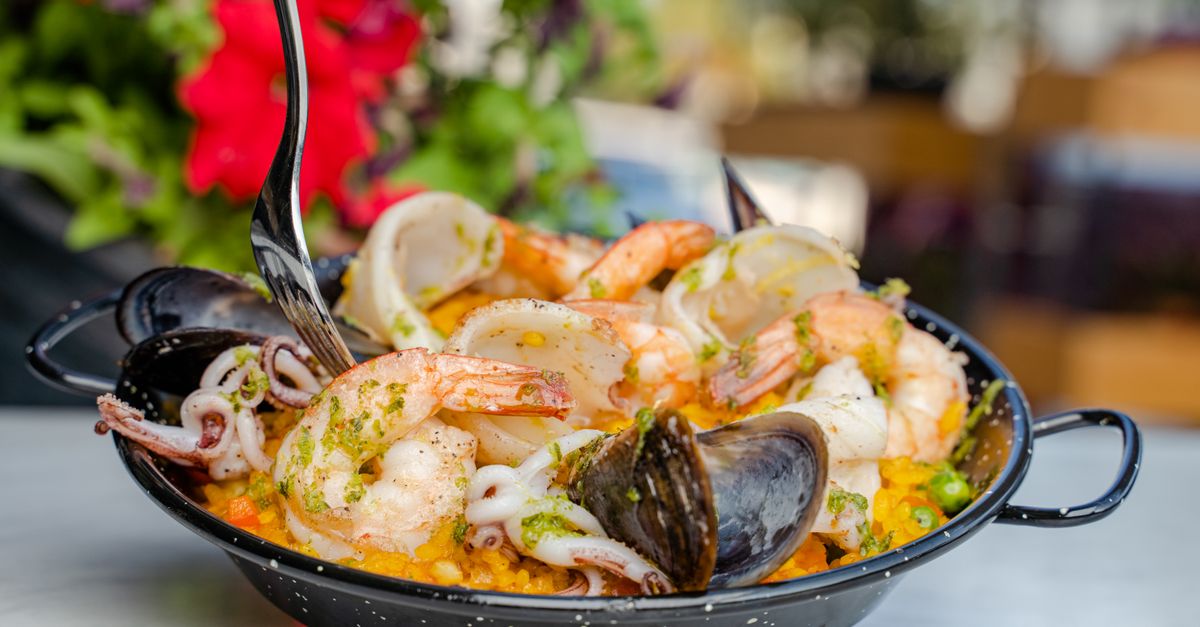
Traditional Paella Techniques to Impress Your Guests
Table Of Contents
Layering Flavours in Paella
The foundation of a great paella lies in its ability to harmonise a variety of flavours. Starting with a good sofrito, a mixture of sautéed onions, garlic, and tomatoes, sets the tone for the dish. This aromatic base infuses the rice with rich flavours while also bringing a slight sweetness to counterbalance the savoury elements. Adding spices like saffron and smoked paprika early in the cooking process enhances the dish's aroma and colour, creating an inviting bouquet that draws guests in before they even take their first bite.
To elevate the taste further, include proteins and seasonal vegetables at the right moments. For prawns, mussels, or chicken, integrating them at different stages allows each ingredient to shine without overshadowing others. Layering fresh herbs like parsley or rosemary can add a final burst of fragrance. This thoughtful approach ensures every forkful of paella delivers a balanced taste experience, leaving a lasting impression on your guests.
Building Depth with Stock and Spices
To create a truly memorable paella, the quality of your stock plays an essential role. Using a homemade seafood or chicken stock elevates the dish significantly, providing a rich foundation that enhances the overall flavour. Fresh ingredients such as fish bones, chicken carcasses, and an array of vegetables simmered for hours contribute to a profound depth that cannot be replicated with store-bought stock. You might want to infuse your stock with aromatics like garlic, onion, and a splash of white wine, allowing these flavours to meld over time.
Spices are crucial in achieving the vibrant notes associated with traditional paella. Saffron is the star ingredient, offering not only its distinctive golden hue but also a subtle earthiness. Incorporating smoked paprika adds a robust smokiness that rounds out the dish beautifully. Additionally, a touch of fresh herbs such as parsley can enhance the aromatic quality, while a hint of cayenne or chili flakes introduces a pleasing kick. Balancing these spices ensures that each spoonful is rich, complex, and utterly satisfying.
Cooking Techniques for Paella
The key to achieving a perfect paella lies in the cooking techniques employed. Understanding the difference between direct heat and indirect heat is essential. Direct heat, often used for the initial stages of cooking, allows for a quick sear of the proteins and vegetables. This method brings out rich caramelisation, enhancing the paella's overall flavour profile. Once the ingredients are well-seared, transitioning to indirect heat enables the rice to cook evenly without burning.
Utilising a traditional paellera or a wide, shallow pan ensures even heat distribution. It's crucial to maintain a consistent heat throughout the cooking process. This control prevents the rice from becoming mushy while allowing it to absorb the stock's flavours effectively. Regular stirring is typically discouraged, as the aim is to create a socarrat, the coveted layer of crispy rice at the bottom. Monitoring the cooking time and temperature will ultimately dictate the dish's success.
Understanding Direct Heat versus Indirect Heat
The method chosen for cooking paella can significantly influence its texture and flavour. Direct heat is often utilised for the initial stages of cooking, primarily to sear the meat or seafood and develop a rich, golden crust on the rice. This high temperature promotes the Maillard reaction, resulting in a desirable depth of flavour. As the cooking progresses, transitioning to indirect heat allows for even, gentle cooking that prevents burning and ensures the rice absorbs the stock thoroughly.
Understanding these heat methods can elevate your paella-making skills. Using direct heat effectively can create a vibrant socarrat, the crispy layer at the bottom, while the shift to indirect heat ensures the ingredients fuse beautifully. Achieving the right balance is essential for a successful dish that impresses your guests. Experimenting with both techniques will allow you to find the perfect method that suits your personal style and preferences.
Presentation Tips for Serving
When serving paella, the presentation significantly enhances the dining experience. Start by using a large, shallow paella pan to highlight the dish's vibrant colours and textures. Arrange the ingredients visually, with seafood and vegetables strategically placed for maximum appeal. Fresh herbs can be scattered on top just before serving, providing a burst of freshness and an inviting aroma.
Plating can also be elevated by incorporating rustic elements. Present the paella directly in the pan on a wooden table for a casual yet authentic feel. Alternatively, serve individual portions in bowls, garnishing with lemon wedges for a pop of brightness. Consider the surrounding décor; rustic table settings with woven placemats or traditional serving utensils can complement the paella's Spanish roots, making the meal not just a feast for the palate but also a treat for the eyes.
Making Your Paella Visually Stunning
A visually appealing paella starts with vibrant ingredients. Incorporating a variety of colours not only enhances the dish but also showcases the range of flavours. Freshly picked green herbs such as parsley or coriander can provide a lovely contrast against the deep golden rice. Bright red bell peppers, succulent prawns, and glistening mussels contribute to an eye-catching presentation. The arrangement of these ingredients should be thoughtful, as it draws attention to the details and invites anticipation.
Garnish plays a crucial role in elevating the overall look of your paella. A handful of lemon wedges can add a splash of yellow and bring brightness to the dish. Using edible flowers or fresh herbs as a finishing touch can create a sophisticated appearance. Serving paella in a traditional pan not only maintains its rustic charm but also enhances the visual impact when placed center stage on the dining table. This presentation strategy transforms a meal into an experience, encouraging admiration and appreciation straight away.
FAQS
What are the essential ingredients for making traditional paella?
The essential ingredients for traditional paella include rice (usually Bomba or Calasparra), saffron, stock, olive oil, and a combination of proteins such as chicken, rabbit, seafood, or vegetables, along with spices like paprika.
How can I enhance the flavours in my paella?
You can enhance the flavours in your paella by using homemade stock, adding a variety of spices, layering ingredients thoughtfully, and allowing the rice to absorb the flavours fully during the cooking process.
What cooking techniques are best for paella?
The best cooking techniques for paella include using direct heat to achieve a good socarrat (the crispy bottom layer) and then switching to indirect heat for even cooking. It’s important to avoid stirring the rice after adding the stock to maintain the texture.
What is socarrat and how do I achieve it?
Socarrat is the crispy, caramelised layer of rice at the bottom of the paella. To achieve socarrat, increase the heat for the last few minutes of cooking after the liquid has been absorbed, being careful not to burn the rice.
How should I present paella to make it visually appealing?
To present paella beautifully, serve it directly from the paellera (the traditional pan), garnish with fresh herbs, lemon wedges, and arrange the ingredients artfully on top. A vibrant colour contrast from the saffron and vegetables will also enhance the visual appeal.
Related Links
Essential Ingredients for Crafting Spanish PaellaThe Authentic Flavours of Traditional Spanish Paella in Sydney
Cultural Significance of Paella in Spanish Celebrations
Pairing Wine with Traditional Spanish Paella
The Role of Paella Pan in Traditional Preparation