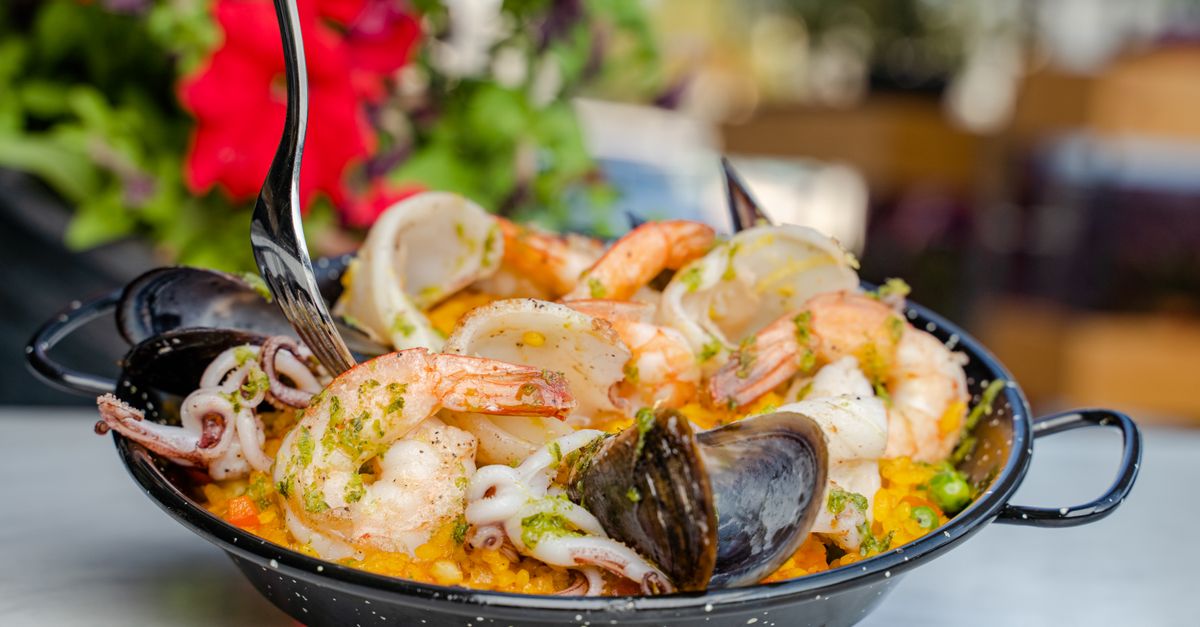
Essential Ingredients for Crafting Spanish Paella
Table Of Contents
Spices and Seasonings
The key to a flavourful paella lies in the spices and seasonings used throughout the cooking process. Saffron is perhaps the most iconic ingredient, lending its vibrant colour and distinct aroma to the dish. This precious spice should be infused in warm broth before adding it to the rice, ensuring its robust flavour permeates the entire dish. Paprika, particularly smoked paprika, adds a deep, earthy essence to the paella, complementing the freshness of the seafood or the richness of meats. A hint of turmeric can also be introduced for additional colour and an alternative flavour profile.
Seasoning with salt and pepper is essential for balancing the dish, but consider adding fresh herbs such as parsley or rosemary at the end for a bright finish. Lemon zest or wedges can further enhance the overall taste, providing a tangy contrast to the savoury ingredients. The careful selection and combination of these spices and seasonings can elevate a simple paella into an exquisite culinary experience, showcasing the vibrant flavours characteristic of Spanish cuisine.
Must-Have Spices for Enhancing Taste
Saffron is often considered the crown jewel of paella spices. This delicate flower imparts a rich golden hue and a distinctive flavour that elevates the dish beyond the ordinary. Its subtle earthy notes and aromatic qualities create a depth that is unmistakable. While saffron can be pricey, a little goes a long way. Incorporating it correctly can transform the meal, making it memorable and authentic.
Smoked paprika is another essential spice that lends a unique depth of flavour to paella. This ingredient infuses the dish with a warm smokiness that complements the other components beautifully. Selecting high-quality smoked paprika can significantly enhance the overall taste profile. A balanced approach in using these spices ensures that the final result is a harmonious blend of flavours that celebrates the traditional essence of Spanish cuisine.
Cooking Equipment Needed
When it comes to preparing a delicious paella, having the right cooking equipment is crucial. A traditional paella pan is typically wide and shallow, promoting even cooking. Made from materials like stainless steel or carbon steel, a well-crafted pan will allow for the ideal layer of rice. For those using a gas burner, a sturdy trivet can help provide stability, while a wooden or heat-resistant spatula ensures you don’t scratch the surface of the pan.
A good-quality heat source is equally important for achieving the perfect socarrat, the crispy layer of rice at the bottom. Depending on your setup, a portable burner works well for outdoor cooking. If you’re indoors, it’s best to use a larger stove with even heat distribution. Additionally, having a lid is beneficial for locking in warmth and moisture during the cooking process. Thermometers and timers can also help manage cooking times and temperatures accurately.
Essential Tools for Perfectly Cooking Paella
A sturdy paella pan is indispensable for authentic results. Its wide, shallow design allows for even distribution of heat while facilitating that crucial socarrat—the crispy layer of rice at the bottom. Opting for a carbon steel pan can enhance the flavour, as it develops a natural patina with use, further improving each dish prepared. Size matters as well; select a pan that matches the number of servings you plan to make, ensuring a perfect layer of rice for cooking.
A heat source capable of delivering consistent and controllable temperatures is also vital. If cooking outdoors, a gas burner or charcoal grill works wonderfully, particularly for achieving that traditional smoky flavour. Indoors, a large stovetop or an oven can be suitable alternatives. A good-quality wooden spoon is necessary for stirring ingredients without damaging the pan's surface, while a ladle facilitates serving. Lastly, consider a large serving platter for an impressive presentation, inviting diners to enjoy the communal experience that paella embodies.
Techniques for Layering Flavours
Building depth in paella relies on the careful layering of flavours throughout the cooking process. Start by toasting the rice briefly in olive oil before adding any liquid. This technique allows the grains to absorb flavour more deeply while also contributing a nuttier undertone to the final dish. Incorporating aromatics, such as garlic and onion, early in the cooking helps release their natural sweetness, which can create a robust base for the paella.
Incorporating a variety of proteins and seafood introduces complex flavours that enhance the dish's overall profile. Each ingredient adds its distinct taste, so timing is crucial. Adding shellfish like mussels or prawns towards the end of cooking ensures they remain tender and full of moisture. Lastly, don’t forget to include fresh herbs, such as parsley or saffron, at different stages; these will elevate the dish's aroma and provide a vibrant finish.
Steps to Build Depth in Your Paella
Creating a rich and complex flavour in paella relies on the careful layering of ingredients throughout the cooking process. Start by sautéing the sofrito, a mixture of onion, garlic, and bell peppers, in olive oil. This base not only adds sweetness but also serves as the foundation for the dish. Next, introduce the spices early on, allowing them to bloom in the oil. Saffron is a quintessential addition, offering a distinct aroma and vibrant colour, while smoked paprika provides a deeper, earthy taste that enhances the overall profile.
Once your base is established, it’s crucial to integrate proteins and seafood in a sequential manner. Brown the meats first to develop a caramelised crust before adding the rice. This Maillard reaction contributes to the paella’s depth and robust flavour. When it comes time to add the stock, make sure it’s hot to maintain cooking temperatures and encourage even absorption. During the cooking phase, resist the urge to stir too much; allowing the rice to form a socarrat, or crispy bottom layer, is essential for that authentic paella experience and adds an extra layer of texture to each serving.
FAQS
What are the essential spices for making authentic Spanish paella?
The essential spices for making authentic Spanish paella include saffron, paprika, and salt. Saffron gives the dish its distinctive colour and aroma, while paprika adds depth and warmth.
What cooking equipment do I need to make paella?
To make paella, you will need a paella pan, a heat source (like a stovetop or outdoor burner), and a wooden spoon for stirring. A lid can also be helpful for steaming the paella.
How do I layer flavours when cooking paella?
To layer flavours in your paella, start by sautéing aromatics such as onions and garlic, then add your spices before incorporating the rice and broth. This method allows the flavours to meld and develop throughout the cooking process.
Can I use other meats or seafood in paella?
Yes, you can customise your paella by using various meats like chicken, rabbit, or seafood like prawns, mussels, or clams. Just ensure that the cooking times are adjusted accordingly for each ingredient.
Is it necessary to use a traditional paella pan?
While a traditional paella pan is ideal for even cooking, you can use a wide, shallow frying pan if you don’t have one. Just ensure that it has a flat base to allow the rice to cook evenly.
Related Links
Exploring the History of Spanish Paella: A Culinary JourneyTraditional Paella Techniques to Impress Your Guests
Cultural Significance of Paella in Spanish Celebrations
Pairing Wine with Traditional Spanish Paella
The Role of Paella Pan in Traditional Preparation
How to Choose the Best Protein for Traditional Spanish Paella
The Importance of Saffron in Traditional Paella
Serving Suggestions for Traditional Spanish Paella