Creative Serving Styles to Impress Guests at Your Paella Event
Table Of Contents
Combining Paella with Other Dishes
Paella stands as a robust and vibrant dish, often left to shine on its own; however, pairing it with complementary items can elevate the dining experience. Consider serving a refreshing salad of mixed greens topped with citrus vinaigrette. The brightness of the salad balances the rich flavours of the paella, creating an inviting contrast. Additionally, adding crusty bread or garlic flatbreads can enhance the communal aspect of the meal, allowing guests to soak up the delicious saffron-infused broth.
Another appealing option is to introduce charcuterie or cheese platters that feature local Australian products. Including cured meats such as chorizo or salami aligns beautifully with the dish's Spanish roots. A selection of cheeses alongside some olives will further entice the palate. As guests enjoy these various offerings, they can appreciate the diversity of flavours, making the paella a central yet harmonious part of the feast.
Serving Tapas Alongside for a Complete Experience
Pairing tapas with paella creates a delightful culinary experience that appeals to various palates. These small dishes allow guests to sample a range of flavours and textures, enhancing the overall enjoyment of the meal. Traditional choices like patatas bravas, marinated olives, and chorizo complement the rich taste of the paella while also providing a vibrant aesthetic on the serving table.
Including vegetarian options such as Spanish tortilla or roasted peppers can also cater to diverse dietary preferences. This thoughtful approach not only satisfies guests' appetites but also fosters a sense of sharing and mingling, essential elements of Spanish dining culture. The small plates encourage interaction, making the dining experience more engaging and memorable for everyone involved.
Seasonal and Regional Variations
Incorporating seasonal and regional flavours into your paella can elevate the dish and create a memorable dining experience. Summer offers an opportunity to utilise fresh produce such as vibrant tomatoes, zucchini, and peppers, ensuring your paella bursts with colour and taste. Engaging local markets for the freshest ingredients not only supports local farmers but also allows the dish to reflect the unique characteristics of your area.
Adapting your paella to the seasons also means being flexible with protein choices. During the warmer months, seafood varieties like prawns, mussels, and calamari shine while winter calls for heartier additions such as slow-cooked chorizo or even game meats. This approach provides guests with a familiar dish that can surprise them with unexpected twists, highlighting the versatility of paella in showcasing local culinary traditions.
Highlighting Local Ingredients in Your Presentation
Using local ingredients not only supports nearby farmers but also adds authenticity to your paella. Sourcing fresh produce from local markets elevates the dish, enhancing its flavours and textures. Seasonal vegetables such as vibrant capsicums or freshly picked beans can provide a pop of colour alongside the traditional saffron rice. Highlighting these ingredients in your presentation makes the meal more than just a dish; it tells a story of the local landscape.
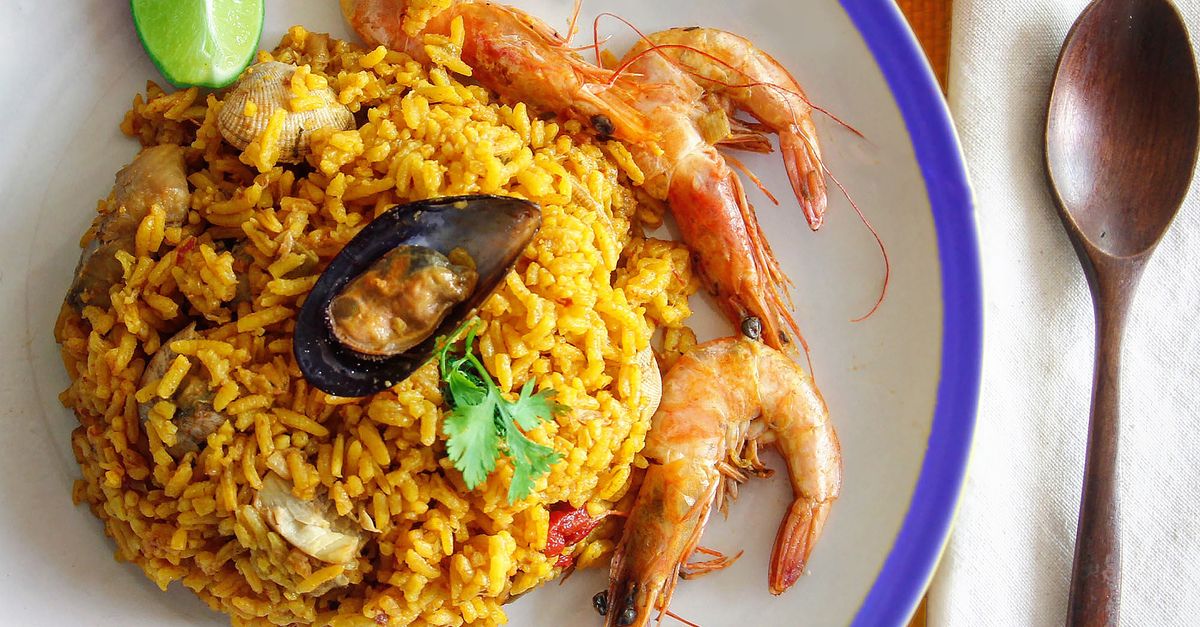
Integrating native Australian seafood like prawns or mussels into your paella can create a unique twist that delights your guests. Showcasing these ingredients aesthetically can involve arranging them artfully atop the rice or nestled around the pan. This approach not only enhances visual appeal but also invites diners to appreciate the local bounty that contributes to their meal. Each bite becomes an experience, connecting diners to the region's rich agricultural and maritime heritage.
Engaging the Senses
Creating an immersive dining experience revolves around engaging all five senses. The vibrant colours of freshly cooked paella can tantalise the eyes, while the sizzle and crackle of ingredients melding together create an auditory feast. Displaying the dish on a large, rustic wooden table can enhance its aesthetics, inviting guests to gather around and appreciate the visual allure before they even take a bite.
Aromas play a significant role in this sensory journey, especially when fresh herbs are introduced. Sprinkling fragrant parsley or zesty lemon zest over the paella just before serving can elevate the scent, enticing guests as they approach the table. The use of decorative garnishes, such as blossoms or seasonal vegetables, not only enhances visual appeal but also signals a freshness that complements the overall dining experience. Each element works in harmony to create a memorable moment, making your event unforgettable for all involved.
Aromatic Herbs to Enhance the Dining Experience
Incorporating aromatic herbs into your paella presentation can elevate the overall dining experience. Fresh herbs such as parsley, thyme, and saffron not only add vibrant colours but also impart distinct flavours that delight the palate. A sprinkle of finely chopped parsley offers a bright finish, while the earthy notes of thyme complement the rich ingredients. Saffron threads, although slightly more indulgent, lend a unique aroma and golden hue that transforms the dish into a visual feast.
The scent of herbs wafting through the air enhances the anticipation of the meal. Consider setting up a small herb station where guests can select their favourites to add to their portion of paella. This interactive element engages the senses and allows for a personalised touch. Imagine the fragrant aroma of fresh rosemary or basil mingling with the smoky notes of the paella as it cooks. Such details not only impress guests but also create a memorable experience that lingers long after the last bite.
FAQS
What are some creative ways to serve paella at my event?
You can serve paella in traditional large pans for an authentic touch, or consider individual serving portions in small cast iron skillets. Additionally, presenting paella on wooden boards or as part of a buffet with accompanying dishes can create a visually appealing display.
How can I enhance the paella experience with other dishes?
Pairing paella with a selection of tapas can elevate the dining experience. Consider serving popular tapas such as patatas bravas, chorizo al vino, or stuffed peppers alongside your paella to create a more rounded meal.
What seasonal ingredients should I consider for my paella?
Depending on the season, you can incorporate fresh, local ingredients such as summer vegetables like zucchini and bell peppers, or winter produce like butternut squash and root vegetables. This not only enhances flavour but also supports local agriculture.
How can I engage my guests' senses beyond taste?
To engage the senses, focus on aromas by using fragrant herbs like saffron, smoked paprika, and fresh parsley in your paella. Additionally, creating a vibrant atmosphere with music and decorative table settings can enhance the overall experience.
What are some suggestions for presenting tapas alongside paella?
For an attractive display, arrange tapas on a large platter or in small, individual serving dishes. Consider using a tiered serving stand or rustic wooden boards to create height and visual interest, ensuring guests can easily help themselves.
Related Links
Timing Adjustments for Outdoor Paella Catering in SydneyCoordinating Paella Timing with Other Menu Items
How to Schedule Paella Preparation and Service for Maximum Freshness
Timing Strategies for Large-Scale Paella Events
Enhancing Guest Experience with Unique Paella Serving Techniques
The Perfect Serving Temperature for Paella at Events
When to Serve Paella: Key Timing Considerations for Catering