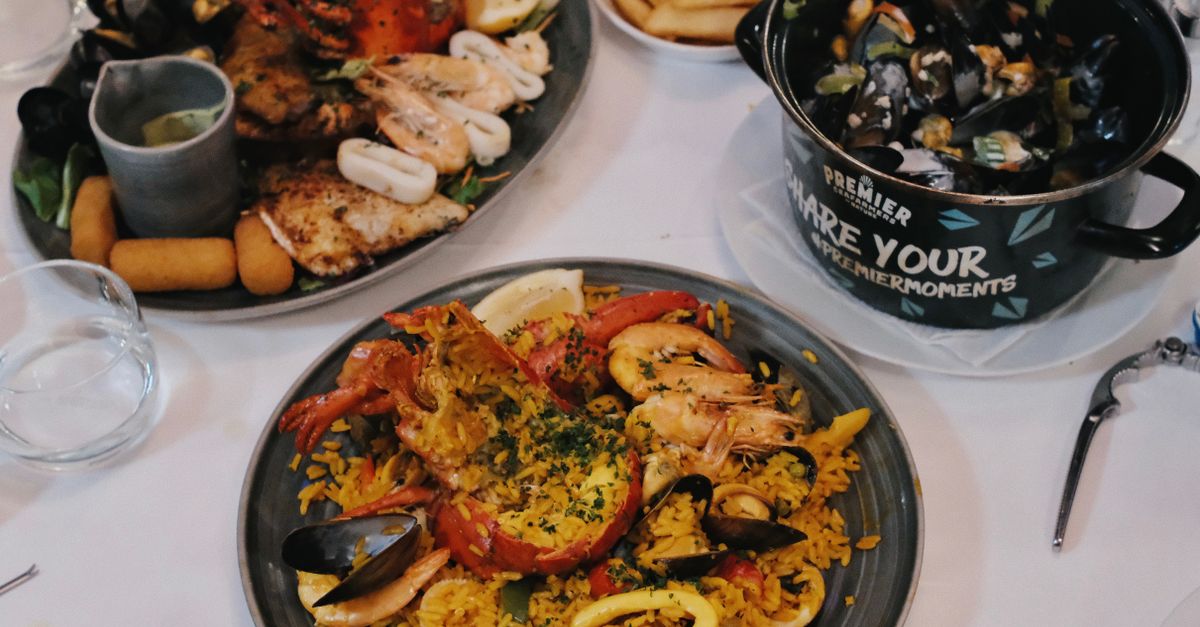
How to Schedule Paella Preparation and Service for Maximum Freshness
Table Of Contents
Sourcing Fresh Seafood
Choosing fresh seafood is crucial for a successful paella. Visiting local fish markets often provides access to the best quality options. Building relationships with trusted fishmongers can lead to insights about daily catches and the freshest available seafood. Look for vendors who actively promote sustainable fishing practices. This ensures not only freshness but also contributes to the health of ocean ecosystems.
When sourcing seafood, knowledge about the various species suitable for paella can elevate the dish. Prawns, mussels, and calamari are popular choices, each offering unique flavours and textures. Consider purchasing whole fish when possible as they tend to be fresher than filleted options. It is beneficial to inquire about the catch method. Choosing trap-caught or line-caught seafood often results in a superior product, as these methods typically have less impact on surrounding marine life.
Tips for Finding Local and Sustainable Options
A great starting point for sourcing local seafood involves visiting farmers' markets and co-ops. These venues often showcase a variety of fresh options, allowing you to connect directly with suppliers. Engaging in conversation can provide insights into sourcing practices and fishing methods, ensuring your seafood aligns with sustainable principles. Don't hesitate to ask about the origins of the catch or the practices employed to ensure the environment's wellbeing.
Online resources can also aid in finding sustainable seafood. Websites dedicated to sustainable fishing provide lists of recommended species and their current fishing status. Additionally, local seafood guides offer detailed information specific to your area, helping you make informed choices. These tools can enhance your understanding of which seafood to prioritise based on sustainability ratings, ensuring your paella preparation supports responsible practices.
Managing Guest Expectations
To ensure a smooth dining experience, setting clear expectations with guests is essential. This includes discussing the preparation time for paella, which typically requires a careful balance of ingredients and cooking techniques. Guests should be made aware that authentic paella demands commitment and can take time, particularly when sourcing the freshest seafood and local produce. Open dialogue about the overall dining experience and any potential delays can help alleviate impatience.
Another important aspect is to communicate the communal nature of paella. It is not merely a dish but an event that encourages sharing and conversation. Emphasising the traditional customs associated with enjoying paella can enhance the anticipation and engagement of your guests. Including details about the cooking process and highlighting the use of seasonal ingredients can further enrich their understanding and appreciation of the meal.
Communicating the Cooking Process
Guests often appreciate being informed about the culinary journey that leads to their meal. Providing insight into the preparation of paella can enhance their dining experience. Describing the steps involved, from selecting the best ingredients to the cooking methods used, creates a sense of anticipation. Sharing these details fosters engagement and shows enthusiasm for the dish being served.
Utilising visual aids can further enrich this conversation. Consider incorporating live cooking demonstrations or plating techniques that allow guests to observe the process in action. This not only highlights the effort behind the dish but also establishes a connection between the chef and the diners. Maintaining a dialogue during the preparation can keep the atmosphere lively and enhance the overall experience.
Incorporating Seasonal Vegetables
Utilising seasonal vegetables can significantly enhance the flavour profile of paella while ensuring optimal freshness. These vegetables are picked at their peak ripeness, making them not only tastier but also more nutritious. Consider incorporating varieties such as asparagus, zucchinis, and bell peppers, which flourish during different times of the year. Choosing produce that aligns with regional growing cycles can also support local farmers, fostering a sustainable food ecosystem.
Planning your paella around seasonal offerings allows for creativity in presentation and flavour combinations. For instance, incorporating spring greens like peas and broad beans can bring a lightness to the dish, while root vegetables in autumn can add earthiness. By adjusting your ingredient list based on what is available, you can create a vibrant and visually appealing paella that reflects the season's bounty, ensuring your dish is both delicious and visually stunning.
Maximising Freshness with Local Produce
Utilising seasonal, local produce not only enhances the flavour of paella but also supports sustainable farming practices. When selecting vegetables, opt for those that are in season. This approach not only guarantees freshness but often reduces costs. Farmers' markets and local growers offer a vibrant selection of seasonal options that can elevate your dish, from bell peppers and tomatoes to green beans and peas. Engaging with local suppliers allows one to establish a relationship, fostering a deeper understanding of the quality and origin of the ingredients being used.
Freshness is paramount for developing the authentic taste of paella. Incorporating locally sourced vegetables ensures they are harvested at peak ripeness, which maximises flavour. A quick visit to a nearby farm or market can reveal a variety of produce that might not be available in larger, commercial outlets. Choosing organic or biodynamically grown items can add depth and richness to the dish, showcasing the unique characteristics of the region’s offerings. This connection to local agriculture not only enhances the dining experience but also strengthens community ties and promotes culinary sustainability.
FAQS
What is the best time to source fresh seafood for paella?
The best time to source fresh seafood is early in the morning when local fish markets are stocked with the day's catch. This ensures you receive the freshest options available for your paella.
How can I find sustainable seafood options for my paella?
Look for local seafood suppliers who practice sustainable fishing methods. You can also check for certifications such as MSC (Marine Stewardship Council) or ask vendors about their sourcing practices.
How should I communicate the cooking process to my guests?
It’s helpful to explain the steps you’ll take to prepare the paella, including the sourcing of ingredients, cooking times, and serving methods. This can enhance their dining experience by showcasing the care put into the meal.
What seasonal vegetables work best in paella?
Seasonal vegetables like bell peppers, green beans, peas, and artichokes are excellent choices. Incorporating local produce not only boosts freshness but also adds vibrant flavours to your paella.
How can I ensure that my paella is served at maximum freshness?
Plan your cooking schedule to coincide with your serving time. Prepare ingredients in advance but cook the paella shortly before serving to ensure it’s hot, fresh, and full of flavour.
Related Links
Timing Strategies for Large-Scale Paella EventsExploring Different Serving Styles for Paella at Weddings
Enhancing Guest Experience with Unique Paella Serving Techniques
Timing Adjustments for Outdoor Paella Catering in Sydney
Creative Serving Styles to Impress Guests at Your Paella Event
Coordinating Paella Timing with Other Menu Items
The Perfect Serving Temperature for Paella at Events
When to Serve Paella: Key Timing Considerations for Catering