When to Serve Paella: Key Timing Considerations for Catering
Table Of Contents
Estimating Servings Based on Your Guest List
When planning a paella catering event, it is essential to consider the number of guests you expect. A good rule of thumb is to allocate approximately 250-300 grams of uncooked rice per person, which typically translates to a hearty serving once cooked. Keep in mind that other dishes may accompany the paella, so adjust accordingly based on your menu. If you anticipate a diverse crowd with varying appetites, rounding up your estimates can help ensure everyone enjoys a generous portion.
In addition to the main dish, it’s wise to factor in the dining experience you wish to create. If your event includes multiple courses or side dishes, you might opt for slightly smaller paella servings. Conversely, if paella is the highlight of the meal, providing larger portions will enhance the overall satisfaction of your guests. Being mindful of these considerations can help you strike the right balance, ensuring ample food while keeping waste to a minimum.
Paella Timing for Outdoor Catered Events
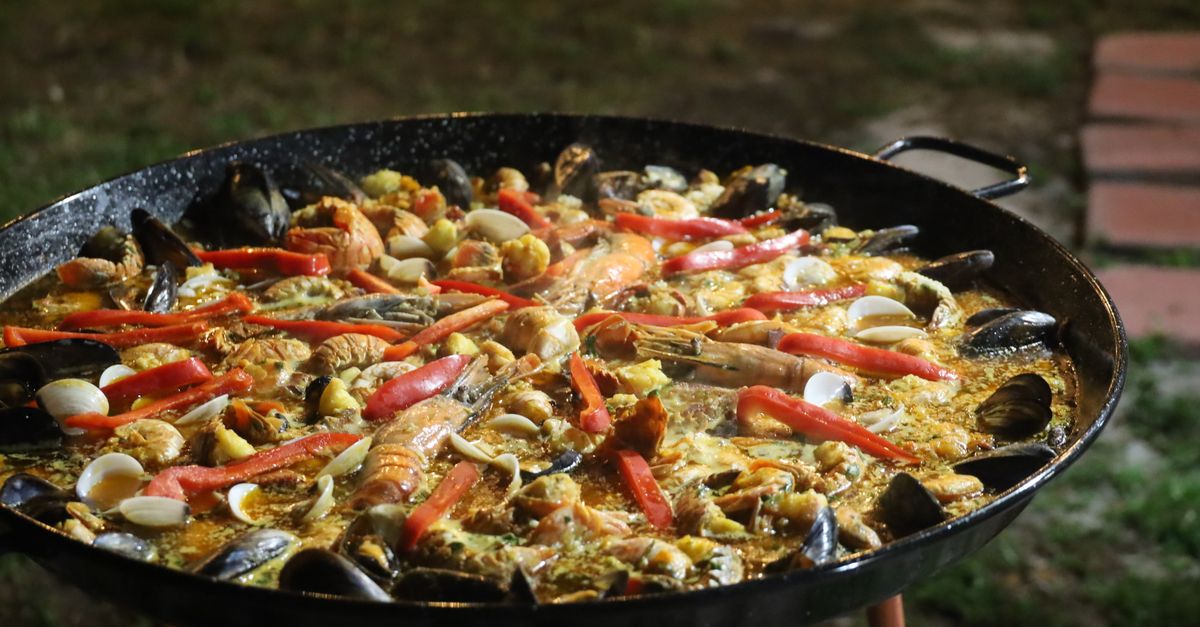
When planning an outdoor catered event featuring paella, timing becomes crucial for both the meal's quality and the guests' experience. Cooking paella requires precise control over temperature and timing, especially when it is prepared over an open flame or portable burner. It is essential to allow enough time for the rice to absorb the flavours and cook evenly. Ideally, paella should be served as close to the cooking completion as possible to ensure optimal taste and texture.
Guests generally appreciate a relaxed dining experience, so scheduling the main meal after the initial mingling is often ideal. Consider starting the cooking process well before the expected serving time, allowing for any unexpected delays. It is equally important to factor in the season and time of day, as daylight and temperature variations can affect the cooking process. By monitoring these elements, you can provide a delightful culinary experience that complements the outdoor atmosphere beautifully.
Navigating Weather Conditions and Cooking
Outdoor cooking can be unpredictable, especially with the changing weather. Rain and high winds can hinder not only the cooking process but also the overall experience for guests. Setting up a sheltered area is essential to protect the paella from elements that might interfere with heat distribution or safety. Monitoring weather forecasts closely before the event will allow caterers to plan accordingly, ensuring their setup remains intact even in less favourable conditions.
Heat and humidity can significantly impact the cooking time and quality of paella. On hot days, the cooking process may accelerate, leading to potential dryness if not monitored carefully. In contrast, cooler temperatures can extend cooking times, requiring adjustments to ensure the dish is served at its best. Using a reliable thermometer and maintaining optimal flame control becomes crucial in these scenarios, helping to retain the integrity of the flavours while also adhering to food safety standards.
When organising a catered event featuring paella, it is crucial to estimate servings based on your guest list accurately. Consider the number of attendees and their appetites, especially if you are catering to a diverse group. For example, if you expect around 50 guests, preparing enough paella to serve each guest a reasonable portion is essential. Factor in some extra servings to accommodate those with larger appetites or if the event extends for several hours.
Planning the timing of your paella service can significantly impact the overall experience. Heating in advance or allowing the dish to rest for a short period before serving can enhance its flavours. Typically, choosing a serving time during the early evening allows guests to enjoy their meal while socialising in a relaxed atmosphere. Coordinating this with your chosen beverage service can further elevate the event, ensuring guests have the best culinary experience possible.
Pairing Alcohol with Paella
When selecting beverages to accompany paella, the choice of wine can greatly enhance the overall dining experience. A well-chilled white wine, such as Albariño or Verdejo, complements the dish beautifully, focusing on the freshness of seafood or the vibrant spices often found in traditional recipes. For red wine lovers, a lighter body like a Grenache or Tempranillo can work surprisingly well, especially when the paella includes richer ingredients like chorizo or duck.
Beer is another popular pairing, with options such as Spanish lagers providing a refreshing contrast to the spice. Craft beers featuring citrus or floral notes can underscore the brightness of the dish as well. Consider also offering a selection of non-alcoholic beverages, such as sparkling water or a fruity soda, to cater to diverse preferences within your guest list, ensuring everyone enjoys their meal.
Timing Your Beverage Service
When serving paella, coordinating beverage service plays a crucial role in enhancing the dining experience. Begin with refreshing drinks that complement the paella's vibrant flavours. Sparkling water, sangria, or other light cocktails can set the tone for the meal. Timing is essential, as serving beverages before the main dish arrives can engage guests and stimulate their appetite.
As the paella is being prepared, consider having a selection of wine or beer on display for guests to help themselves or for the server to offer. Once the paella is ready and presented, matching the right wine or beer with it can elevate the meal. Encourage guests to sip their drinks while savouring the dish, creating a harmonious pairing that boosts overall enjoyment. Make sure to keep an eye on beverage levels and offer refills at appropriate intervals.
FAQS
When is the best time to serve paella at a catered event?
The best time to serve paella is typically during the main course of your event, once guests have settled in and are ready to enjoy a hearty meal. It's essential to consider the overall timeline of your event to ensure timely service.
How do I estimate the number of servings of paella based on my guest list?
A general rule of thumb is to allocate about 150-200 grams of paella per person. This means you can easily calculate the total quantity based on your guest list size, adjusting for any lighter or heavier eaters in the group.
What factors should I consider for paella timing at outdoor catered events?
For outdoor events, timing can be influenced by factors such as the time of day, temperature, and the length of the event. It's important to serve paella at a time when it can be enjoyed fresh and hot, ideally during the warmer part of the day.
How can weather conditions affect my paella cooking and serving times?
Weather conditions can significantly impact cooking times and the overall dining experience. Rain or extreme heat may necessitate adjustments, such as moving cooking indoors or serving paella earlier to avoid discomfort for guests.
What is the best timing for pairing alcohol with paella during a catered event?
Ideally, you should start serving beverages as guests arrive and continue throughout the event. Pairing wine or beer with paella can enhance the flavours, so consider timing beverage service to coincide with the main course for an optimal experience.
Related Links
The Perfect Serving Temperature for Paella at EventsBest Practices for Timing Your Paella Service in Sydney Events
How to Schedule Paella Preparation and Service for Maximum Freshness
Timing Strategies for Large-Scale Paella Events
Enhancing Guest Experience with Unique Paella Serving Techniques
Timing Adjustments for Outdoor Paella Catering in Sydney
Creative Serving Styles to Impress Guests at Your Paella Event
Coordinating Paella Timing with Other Menu Items