Serving Suggestions for Traditional Spanish Paella
Table Of Contents
Serving Temperature and Presentation
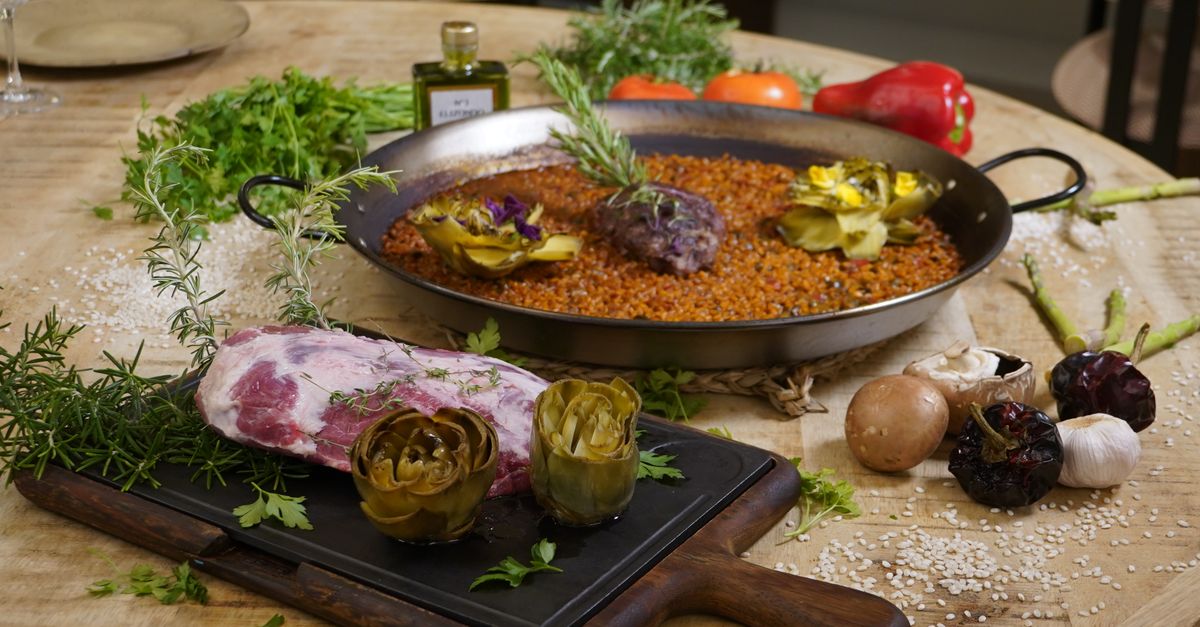
Paella is best enjoyed fresh from the stove, ideally served piping hot. When it's time to dish up, using a large serving spoon or ladle helps maintain the dish's integrity, preventing the delicate grains of rice from breaking apart. Presenting the paella directly in the paellera adds a rustic charm to the table setting. This allows diners to witness the vibrant colours and textures of the ingredients, enhancing the overall visual experience.
Garnishing the paella with fresh parsley and wedges of lemon not only elevates its appearance but also adds a burst of flavour when squeezed over the dish. Placing the paella at the centre of the table encourages communal dining, a key aspect of enjoying this traditional dish. Providing each guest with a small plate encourages them to serve themselves, allowing the social element of sharing to flourish.
Tips for the Perfect Serving Experience
The key to a memorable paella experience lies in its presentation. Serve the dish directly from the pan to the table. This method maintains the integrity of the dish and allows guests to appreciate its vibrant colours and enticing aromas. A large, shallow pan is traditionally used for cooking paella, which also enhances the visual appeal when serving. Consider garnishing the dish with fresh herbs, lemon wedges, or a sprinkle of smoked paprika to elevate the presentation.
When it comes to portioning, heartily ladle generous servings onto each plate. This not only showcases the abundance of ingredients but also encourages guests to indulge. Provide a large serving spoon so that everyone can easily take what they desire. Accompany the meal with a well-chilled beverage such as a fruity sangria or a crisp white wine. This adds to the overall dining experience and complements the rich flavours of the paella beautifully.
Traditional Paella Serving Etiquette
Sharing paella is as much about the experience as it is about the dish itself. Traditionally, a large paella pan is served directly at the table. Diners gather around to serve themselves, which fosters a sense of community and celebration. It is considered polite to start serving from the outer edges of the pan, where the rice is most flavourful. Guests often use a serving spoon, ensuring everyone can enjoy the delectable crust known as the socarrat, which tends to develop on the bottom.
When it comes to etiquette, it is customary to leave the pan on the table, allowing everyone to partake at their leisure. Guests should refrain from stirring the paella once it is served, as this disturbs the layers and presentation. If seafood is part of the dish, diners may use their fingertips to extract shrimp or shellfish, a practice perceived as acceptable within this culinary tradition. Emphasising relaxation and enjoyment, the act of sharing a paella meal often leads to lively conversation and laughter.
Customs and Practices to Consider
In Spain, the tradition of paella extends beyond cooking to how the dish is served. Traditionally, paella is cooked in a shallow, wide pan known as a "paellera." This unique presentation allows for an eye-catching display, with a golden crust forming on the bottom known as “socarrat.” Serve paella straight from the pan to the table, where guests can enjoy the communal experience. Large spoonfuls typically grace individual plates, but it's equally common for diners to serve themselves directly from the pan when enjoying this rustic dish.
Customary practices vary across regions and families, reflecting their unique history and ingredients. In Valencia, the birthplace of paella, it's often accompanied by a side of allioli, a garlic mayonnaise that enhances the meal's flavours. Additionally, it's customary to enjoy paella alongside a glass of local wine or a refreshing beer. Gathering around the paella pan not only brings friends and family together but also fosters a sense of community and shared enjoyment, making each meal an opportunity to celebrate togetherness.
Accompaniments for Vegetarians
Vegetarians can enjoy a delightful array of accompaniments that complement the richness of paella. A fresh green salad dressed with olive oil and vinegar adds a refreshing contrast to the dish. Roasted vegetables, seasoned with herbs and spices, provide a hearty and flavourful side. Grilled artichokes, brimming with smoky flavours, also serve as a wonderful addition, enhancing the overall dining experience.
Adding a selection of dipping sauces, like a zesty romesco or a vibrant chimichurri, can elevate the meal further. These plant-based options not only bring extra zest but also cater to a variety of palates. Consider serving crusty bread on the side, perfect for mopping up any remaining sauce. Each accompaniment contributes to a wholesome and satisfying vegetarian feast.
Plant-Based Options to Enjoy
For those looking to savour paella without meat, there are plenty of delicious plant-based alternatives. A vegetable paella can be a vibrant option, filled with seasonal produce like bell peppers, artichokes, peas, and green beans. These ingredients not only contribute to the dish’s colourful presentation but also enhance its natural flavours. Using a rich vegetable broth as a base adds depth, while the addition of saffron ensures authenticity.
Another popular choice is to incorporate legumes or pulses, such as chickpeas or lentils, for added texture and protein. These ingredients create a hearty dish that satisfies without sacrificing taste. Experimenting with spices can elevate the dish further, with smoked paprika and garlic providing a delightful aroma. The right garnish, such as fresh parsley or lemon wedges, can brighten the appearance and flavour, making each serving inviting and enjoyable.
FAQS
What is the ideal serving temperature for traditional Spanish paella?
Traditional Spanish paella is best served warm, ideally at a temperature between 60°C to 70°C (140°F to 158°F) to enjoy its flavours fully.
How should I present paella for a dinner party?
For an impressive presentation, serve paella directly from the pan it was cooked in, garnished with fresh herbs and lemon wedges. This adds a rustic touch and encourages sharing.
Are there any specific customs to follow when serving paella?
Yes, traditionally, paella is served straight from the pan, and diners typically eat directly from the dish using spoons or forks. It’s common to share the meal among guests.
What vegetarian options can I serve alongside paella?
Accompaniments for vegetarians can include a variety of dishes such as a fresh garden salad, grilled vegetables, or a zesty tomato and avocado salad to complement the flavors of the paella.
Can I make paella completely plant-based?
Absolutely! You can create a delicious plant-based paella by using a variety of seasonal vegetables, legumes, and plant-based protein such as tofu or tempeh, while also ensuring to use vegetable broth for cooking.
Related Links
The Importance of Saffron in Traditional PaellaExploring the History of Spanish Paella: A Culinary Journey
Cultural Significance of Paella in Spanish Celebrations
Pairing Wine with Traditional Spanish Paella
The Role of Paella Pan in Traditional Preparation
How to Choose the Best Protein for Traditional Spanish Paella
Essential Ingredients for Crafting Spanish Paella
Traditional Paella Techniques to Impress Your Guests