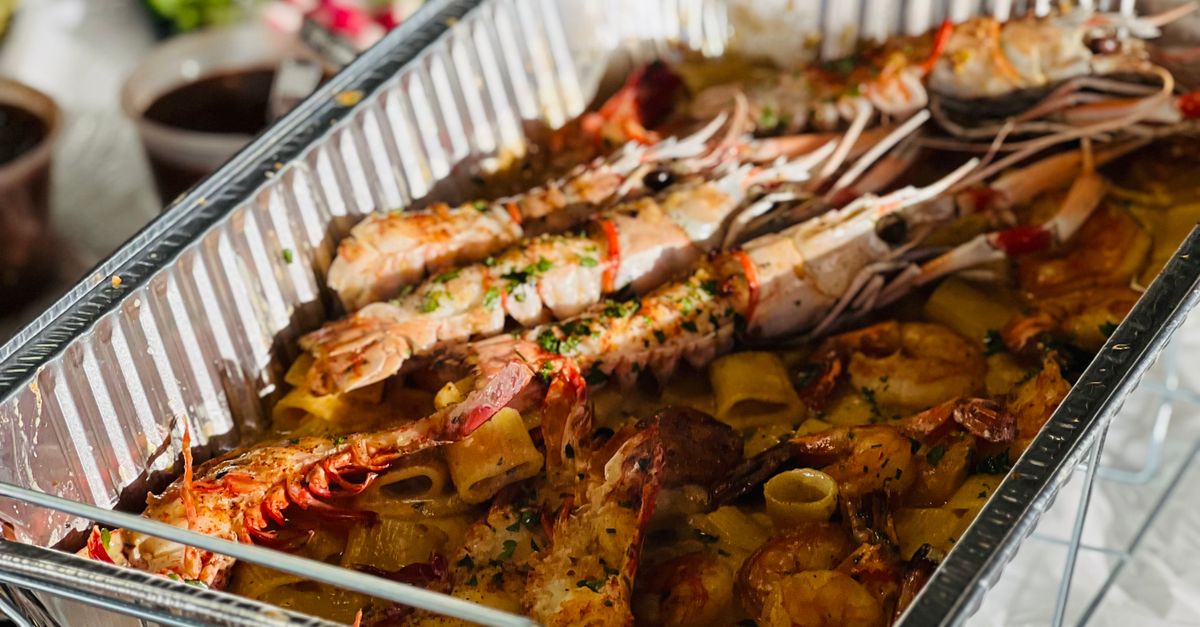
Step-by-Step Guide to Making Traditional Mixed Paella
Table Of Contents
The Art of Layering Flavours
Creating a balanced flavour profile in paella starts with the base ingredients. Sauté onions and garlic until they're soft, releasing their sweet and aromatic qualities. Adding diced tomatoes can introduce acidity and freshness, while the use of saffron imparts a golden hue and a distinct aroma. It’s essential to allow these ingredients to meld together before adding the rice to develop a rich flavour foundation.
Incorporating broth instead of water enhances the dish profoundly. A homemade stock adds depth, bringing out the essence of the surrounding ingredients. As the rice cooks, it will absorb these flavours, becoming the heart of the paella. Layering in proteins like chicken or seafood needs careful timing to ensure each element shines without overwhelming others. The interplay of these components creates a harmonious experience that enhances every bite.
Adding Herbs and Spices
Herbs and spices are essential in bringing out the vibrant flavours of a traditional paella. Saffron is the jewel of the dish, its delicate threads imparting a distinct colour and a subtle earthiness. Alongside saffron, paprika plays a significant role, adding a smoky depth that complements the other ingredients beautifully. Fresh herbs such as parsley or rosemary can enhance the dish's aroma, contributing to its overall complexity. The right balance of these elements can elevate a simple mix of rice and protein into a rich culinary experience.
Experimenting with spices can give your paella a unique twist. Consider adding a hint of cayenne pepper or a touch of cumin for an extra layer of warmth. A squeeze of lemon juice towards the end of cooking can brighten the flavours, cutting through the richness of the stock and protein. Always taste as you go to ensure the seasoning complements your chosen ingredients, allowing the dish to evolve to your personal preference. Each addition should feel harmonious, contributing to the final dish without overpowering the traditional taste of paella.
Mastering the Cooking Technique
Achieving the right cooking technique is essential for creating a delicious paella. Begin by heating your chosen paella pan over medium-high heat. Once the pan is hot, add olive oil and let it warm before introducing the proteins. This allows for a beautiful sear, which increases the depth of flavour. Arrange the ingredients in a single layer to ensure even cooking, making sure not to overcrowd the pan. The crucial aspect here is to resist the urge to stir too often. Allow the rice time to absorb the stock and develop that characteristic socarrat, the sought-after crispy layer at the bottom.
Managing the cooking temperature is also vital in crafting the perfect paella. After adding the stock, reduce the heat to maintain a gentle simmer. This careful approach allows the rice to cook evenly while absorbing all the aromatic flavours of the broth and other ingredients. Keep an eye on the liquid levels; if necessary, add a splash of broth to prevent it from drying out. Once the rice has absorbed the liquid and becomes tender, let it rest for a few minutes before serving. This resting period enables the flavours to meld beautifully.
Tips for Achieving the Perfect Texture
Achieving the perfect texture in paella revolves around the rice variety chosen for the dish. Bomba rice is the traditional choice, known for its ability to absorb liquid while still maintaining distinct grains. Rinsing the rice is generally not recommended, as the starch is crucial for creating the desired creamy surface. Each variety has specific cooking times, so understanding whether you have bomba, calasparra, or another type will help you plan your cooking technique and timing.
During the cooking process, the balance of liquid is essential. Adding too much broth can lead to mushy rice, while too little can make it dry. The goal is to develop that sought-after socarrat, the crispy layer at the bottom of the pan, which requires careful heat management. As the paella nears completion, avoid stirring; letting it cook undisturbed helps trap steam and promotes an even texture throughout the dish.
Incorporating Vegetables
Vegetables bring a delightful burst of colour and flavour to mixed paella, enhancing its appeal while balancing the dish's rich aromas. Traditional recipes often highlight specific varieties, such as green beans, red bell peppers, and artichokes, which contribute both texture and taste. When selecting vegetables, fresh produce is ideal, as it elevates the overall quality of the dish. Seasonal options can introduce new flavours, encouraging creativity and personal flair.
Incorporating vegetables should follow a thoughtful approach. Begin with those that require longer cooking times, such as carrots or zucchini, to ensure they become tender and integrate well with the grains. Softer vegetables, like peas or cherry tomatoes, can be added later in the cooking process to maintain their shape and flavour. This method ensures that each component shines without overwhelming the others, creating a harmonious blend in every bite.
Seasonal Veggies to Enhance Your Paella
Incorporating seasonal vegetables not only adds colour to your paella but also enriches its flavour profile. When spring arrives, green peas and asparagus bring a fresh crunch. Summer is perfect for ripe tomatoes and bell peppers, which lend sweetness and depth to the dish. As autumn unfolds, consider adding squash varieties, which complement the earthiness of the rice. Each season presents an opportunity to explore new flavours.
Choosing locally sourced produce can also enhance the overall experience. Ingredients picked at their peak maturity tend to offer the best taste and nutritional value. Not only does this support local farmers, but it also connects you to the culinary traditions of each season. Seasonal veggies can be chopped, sautéed, or added whole, depending on their size and type, allowing for a personalised twist on this classic dish.
FAQS
What is mixed paella?
Mixed paella is a traditional Spanish dish that combines a variety of proteins, such as seafood, chicken, and sometimes rabbit, with vegetables and rice cooked in a single pan, typically flavoured with saffron and other spices.
Can I use any type of rice for paella?
While you can use different types of rice, it's best to stick to short-grain varieties like Bomba or Calasparra rice, as they absorb flavours well and maintain a firm texture during cooking.
What are the best herbs and spices for paella?
Traditional paella is often flavoured with saffron, paprika, and garlic. Fresh herbs like parsley can be added for garnish, while rosemary and thyme may enhance the overall flavour.
How can I achieve the perfect texture for my paella?
To achieve the perfect texture, avoid stirring the rice once it's added to the broth. Allow it to cook undisturbed so it forms a delicious socarrat (crispy bottom layer), and ensure the liquid-to-rice ratio is correct.
What vegetables can I include in my paella?
You can incorporate a variety of seasonal vegetables such as bell peppers, green beans, peas, and artichokes. Choose vegetables that complement the proteins you've selected and add colour and flavour to the dish.
Related Links
Exploring Flavours: Unique Variations of Mixed Paella ExplainedIngredients That Shine: Crafting the Ultimate Mixed Paella
The Art of Cooking Mixed Paella: Techniques and Tips
Cultural Influences in Mixed Paella Recipes
Serving Suggestions for Mixed Paella at Your Next Event
Pairing Wines with Mixed Paella: A Guide for Sydney Catering
Catering for All: Why Mixed Paella Fits Every Taste
Top Tips for Achieving a Successful Mixed Paella Dish
The Perfect Blend: Creating Delicious Mixed Paella in Sydney